
Written by EIA, this paper highlights the important role of the 1987 Montreal Protocol in phasing out 99% of ozone-depleting substances.
2024 Summer Residential Cooling Outlook
The financial burden to families of keeping cool this summer will increase by 7.9% across the U.S., according to projections from the National Energy Assistance Directors Association (NEADA) and the Center for Energy Poverty, and Climate (CEPC).
Global Cooling Watch 2023
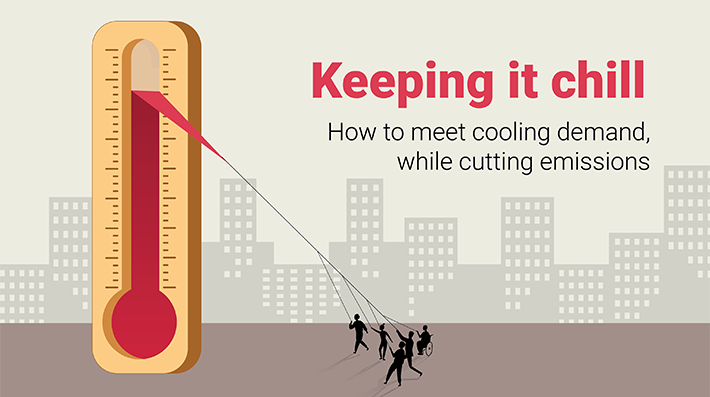
Keeping it Chill: How to meet cooling demands while cutting emissions
The Global Cooling Watch report demonstrates the potential and the pathways to achieve near-zero emissions from cooling. Using a model created specifically for this report, the report presents pathways to reach near-zero emissions in the key cooling sectors. It calls for countries to pursue policies and strategies that greatly reduce cooling-related emissions and advance sustainable cooling for all.
The report — Keeping it Chill: How to meet cooling demands while cutting emissions — lays out sustainable cooling measures in three areas: passive cooling, higher energy efficiency standards, and an accelerated phase-down of climate-warming HFC refrigerants.
It was released by the UN Environment Programme-led Cool Coalition in support of the Global Cooling Pledge, a joint initiative between the United Arab Emirates as host of COP28 and the Cool Coalition.
The report was funded by the Danish International Development Agency, the Ministry of Foreign Affairs Denmark, CONCITO, and the Clean Cooling Collaborative.
Net Zero Heroes
CLASP’s Net Zero Heroes report illustrates the opportunities and efficiency targets ten key appliances can have in the fight against the climate crisis.
Using Finance to Accelerate Adoption of More Energy-Efficient and Climate-Friendly Appliances
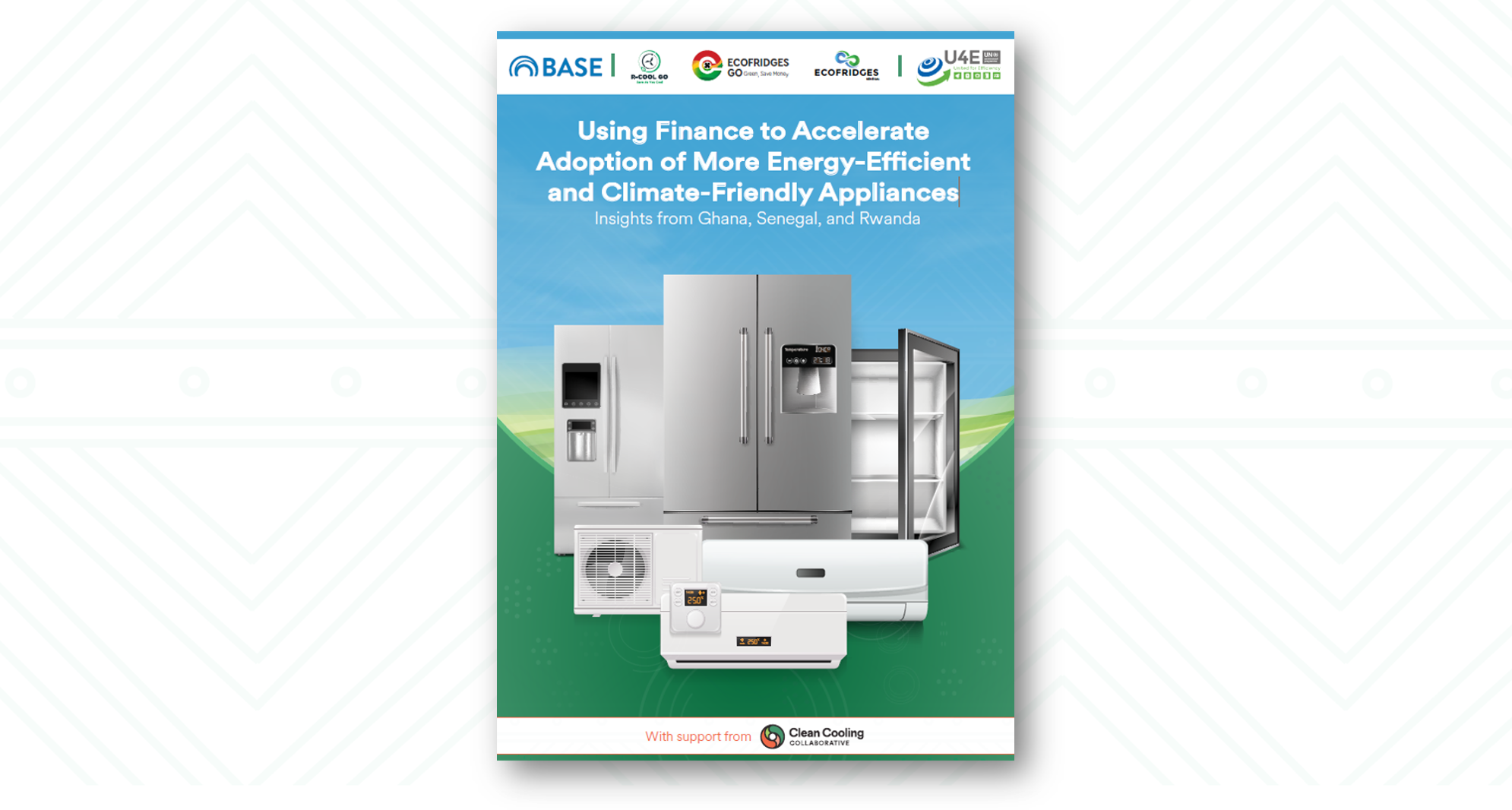
Insights from Ghana, Senegal, and Rwanda
This report showcases the lessons learned from three market-based financing mechanisms developed to facilitate consumer purchases of energy-efficient and climate-friendly refrigerators and air conditioners in lieu of outdated appliances. It also provides comprehensive guidelines for stakeholders involved in similar financing mechanisms for energy-efficient and climate-friendly appliances.
The ECOWAS Refrigerators and Air Conditioners (ECOFRIDGES) initiative in Ghana and Senegal, and the Rwanda Cooling Initiative (R-COOL) have been instrumental in promoting energy-efficient and climate-friendly appliances in these markets. These initiatives, supported by the United Nations Environment Programme’s (UNEP) United for Efficiency (U4E) initiative, the respective governments, and with assistance from the Basel Agency for Sustainable Energy (BASE), have implemented financing mechanisms that are central to their success over the course of several years.
The projects were made possible through grants from Clean Cooling Collaborative.
Model Regulation Guidelines for Energy-Efficient Ceiling Fans
This resource provides guidance for governments that are considering mandatory policies, incentive programs, or voluntary financial mechanisms requiring new ceiling fans to be energy-efficient.
Model Quality and Performance Guidelines for Off-Grid Refrigerating Appliances
This resource provides voluntary guidance intended to inform market transformation efforts that support the adoption of new off-grid refrigerating appliances.
Beyond Words: A Framework for Responsible Private Sector Action on Sustainable Cooling

EIA’s new report examines previous voluntary private sector commitments on sustainable cooling and offers a framework for developing new commitments that are transparent, measurable, and appropriately ambitious to drive down emissions in this pivotal decade for climate action.
Sustainable, Affordable Cooling Can Save Tens of Thousands of Lives Each Year
IEA examines available technical and policy response measures that are a win-win: they can ensure that lower-income households are not left behind, and that growth in space cooling is done sustainably.
Sustainable Food Cold Chains: Opportunities, Challenges and the Way Forward
This report explores how food cold chain development can become more sustainable and makes a series of important recommendations for governments and other cold chain stakeholders.