
Introducing the Global Cooling Efficiency Accelerator

The world needs a better air conditioner, and the Global Cooling Efficiency Accelerator will help make this happen! (More on that later.)

With the planet continuing to heat up, access to cooling has become a defining equity issue of our time, and the need for efficient cooling technology with a dramatically lower climate impact is urgent.

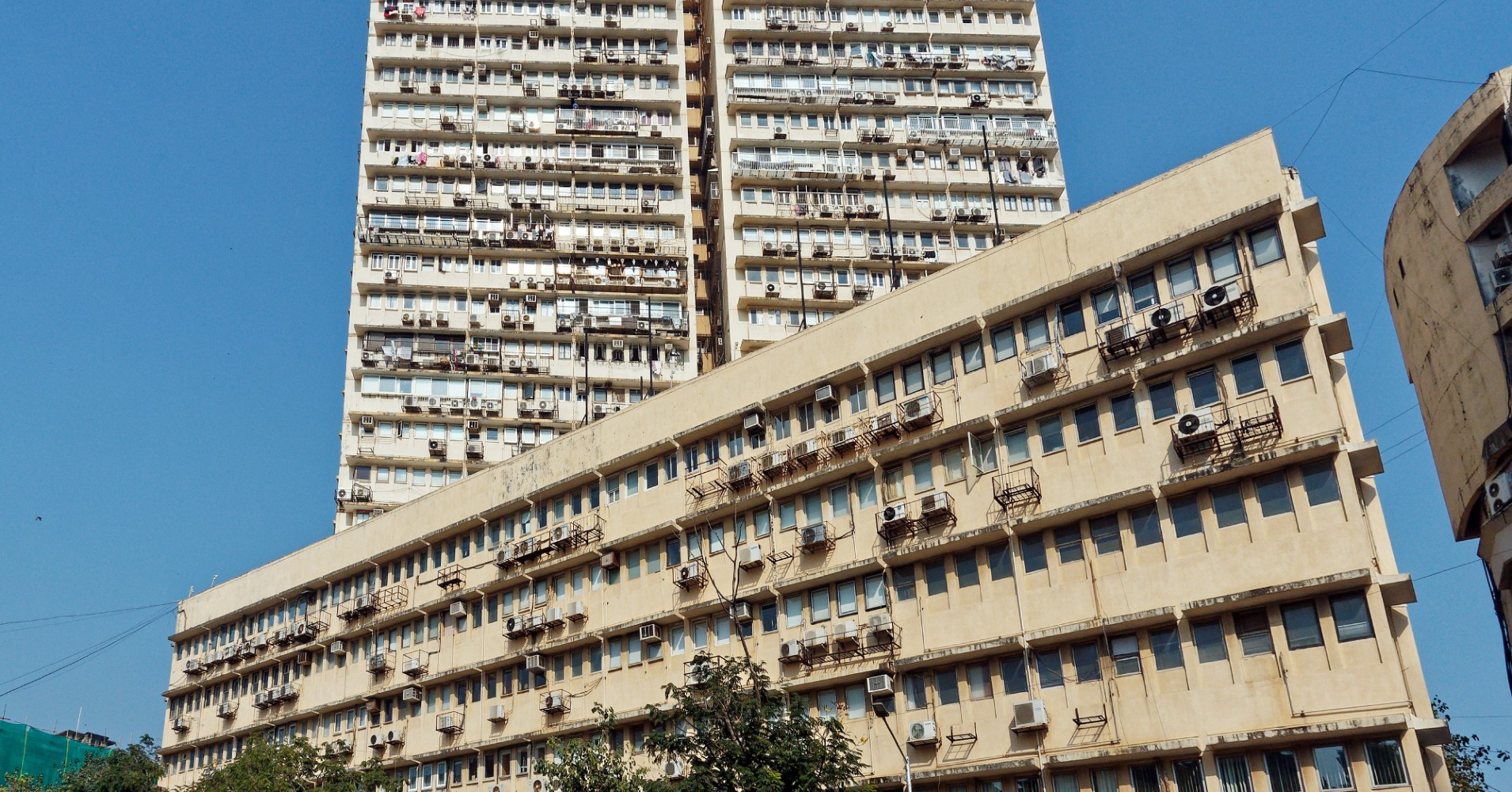
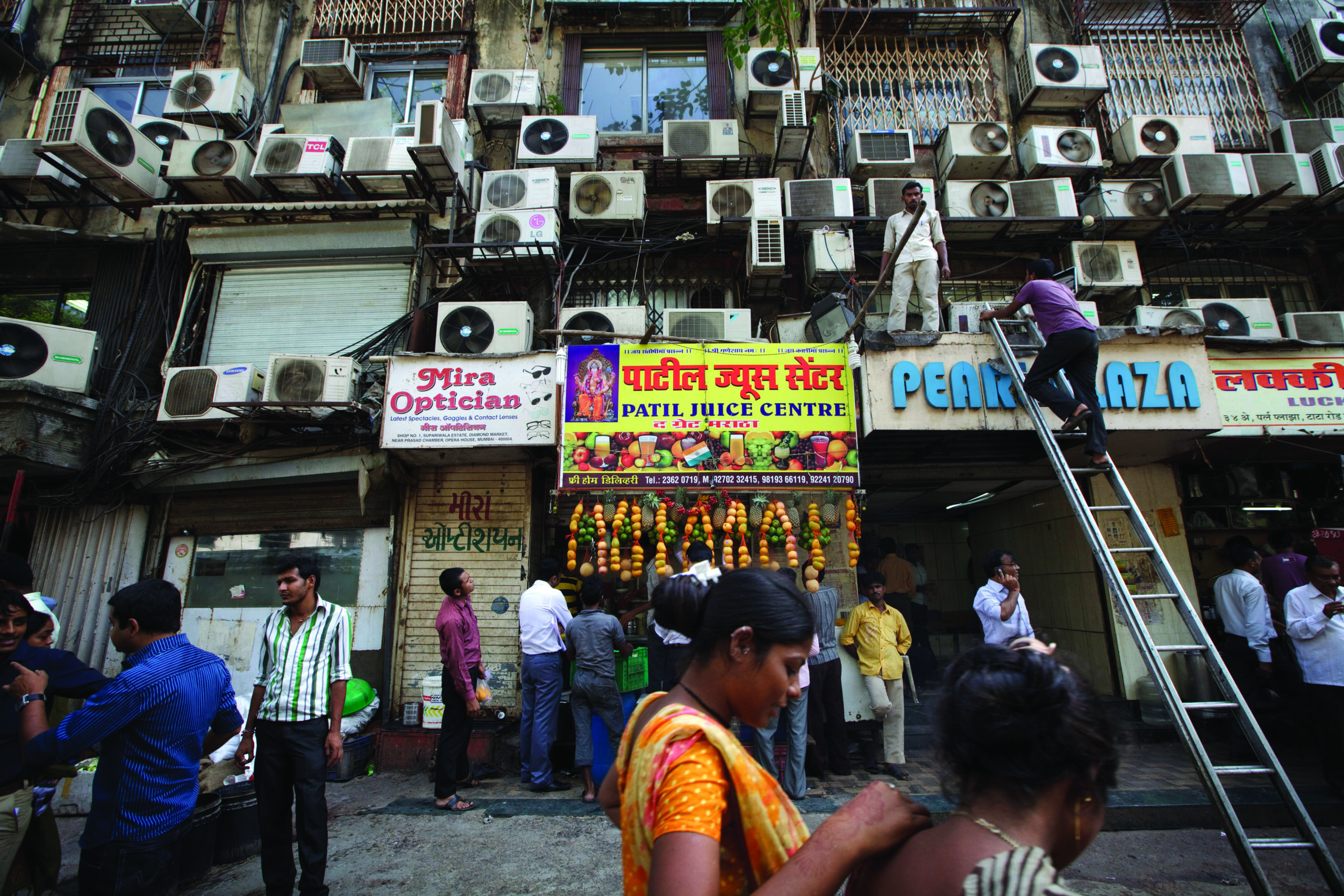
Cooling equipment, most notably air conditioning, is currently responsible for more than 7% of the world’s greenhouse gas (GHG) emissions. Over the next few decades, the world will install three billion more room air conditioners, translating to about seven air conditioners (ACs) sold every second for the next 30 years. Without cleaning up the world’s cooling technologies and a complete transition to renewable energy, the cooling sector’s emissions could double by 2050.

However, with radically efficient next-generation air conditioning, we can keep people cool, comfortable, and safe while minimizing further global warming. More efficient air conditioners will also help take stress off of the power grids and reduce the likelihood and duration of future power outages.

The Global Cooling Prize

In late 2018, a broad-based coalition led by RMI, the Indian Government’s Department of Science and Technology, and Mission Innovation launched the Global Cooling Prize (the Prize). This competition had a bold and ambitious goal to develop an affordable residential cooling solution with five times (referred to as “5X”) lower climate impact, factored as a combination of much greater energy efficiency and lower global warming potential (GWP) refrigerants, than the typical units sold at the time in India. Widespread adoption of such super-efficient ACs that meet this goal would help avoid the climate impact of the projected growth in room ACs over the next three decades, avoiding a cumulative 68 gigatons of CO₂ emissions by 2050 — the equivalent of just over a year’s worth of emissions from all anthropogenic sources today. As the world’s fastest-growing room AC market, India was the natural choice as the testbed for the Prize.

The Prize received an overwhelming response from startups, universities, research labs, major industry players, and AC manufacturers. In April 2021, after testing their prototypes in India within an actual apartment building and simulated real-world conditions in a lab, two teams, led respectively by Daikin and Gree, two of the largest AC manufacturers in the world, exceeded the 5X lower climate impact criteria and were announced as winners.

Global Cooling Efficiency Accelerator

While the Global Cooling Prize successfully demonstrated that next-generation ACs with five times lower climate impact than conventional units are possible, much work is needed to bring these innovative products to the market and jump-start their sales. A new coalition called the Global Cooling Efficiency Accelerator has been formed to support these efforts.

Co-founded by the Clean Cooling Collaborative (CCC) and RMI, this coalition builds off the work we and our partners have done since the announcement of the Global Cooling Prize winners. The initial work has largely focused on manufacturer outreach and extensive lab testing and analysis toward the development of a test methodology and performance metric that accurately reflects the real-world performance of room ACs. The area of opportunity is to include testing at high humidity levels or appropriately “rewarding” those manufacturers whose products deliver energy-efficient dehumidification and superior performance at part loads, i.e., when an AC is operating at cooler outdoor temperatures. This is extremely important as many of the new ACs installed in the future will be in extremely hot and humid climates such as India and Southeast Asia. 

Beyond the ongoing foundational work on test method revision, the Global Cooling Efficiency Accelerator’s efforts will focus on the following:

  • Catalyzing and supporting the manufacturing ecosystem toward the production of super-efficient room ACs
  • Gathering essential data through testing and validation of the performance of the super-efficient models in labs and real-world conditions 
  • Preparing markets and consumers for the new technology through data-based design and implementation of appropriate market mechanisms to drive the demand for super-efficient products
  • Building momentum, such as through media outreach, to highlight the early adopters and the economic and environmental benefits of super-efficient air conditioners

It is essential that when these AC units become available, the market and regulatory conditions are as welcoming as possible to ensure their success. To help facilitate this and give super-efficient ACs the best chance possible, the Global Cooling Efficiency Accelerator is working to bring together policymakers, manufacturers, industry and market experts, and buyers for these products.

Looking to the near future

One manufacturer has already announced their intent to bring a new super-efficient AC to selected launch markets later this year. With CCC’s support, RMI is collaborating with key partners to test samples of these products in the lab, using the proposed updated test method, and in the field in Indian residential buildings and eventually other geographies. The Global Cooling Efficiency Accelerator is working to establish an ecosystem and prime the markets such that more manufacturers will follow.

Both this technology and this coalition are just getting started. We expect super-efficient air conditioning to revolutionize the way we cool our indoor environments and signal the beginning of a bright new future for efficient, climate-friendly cooling for all. Stay tuned.

The urgency of cooling access: Ensuring resilience and promoting equity in the U.S.

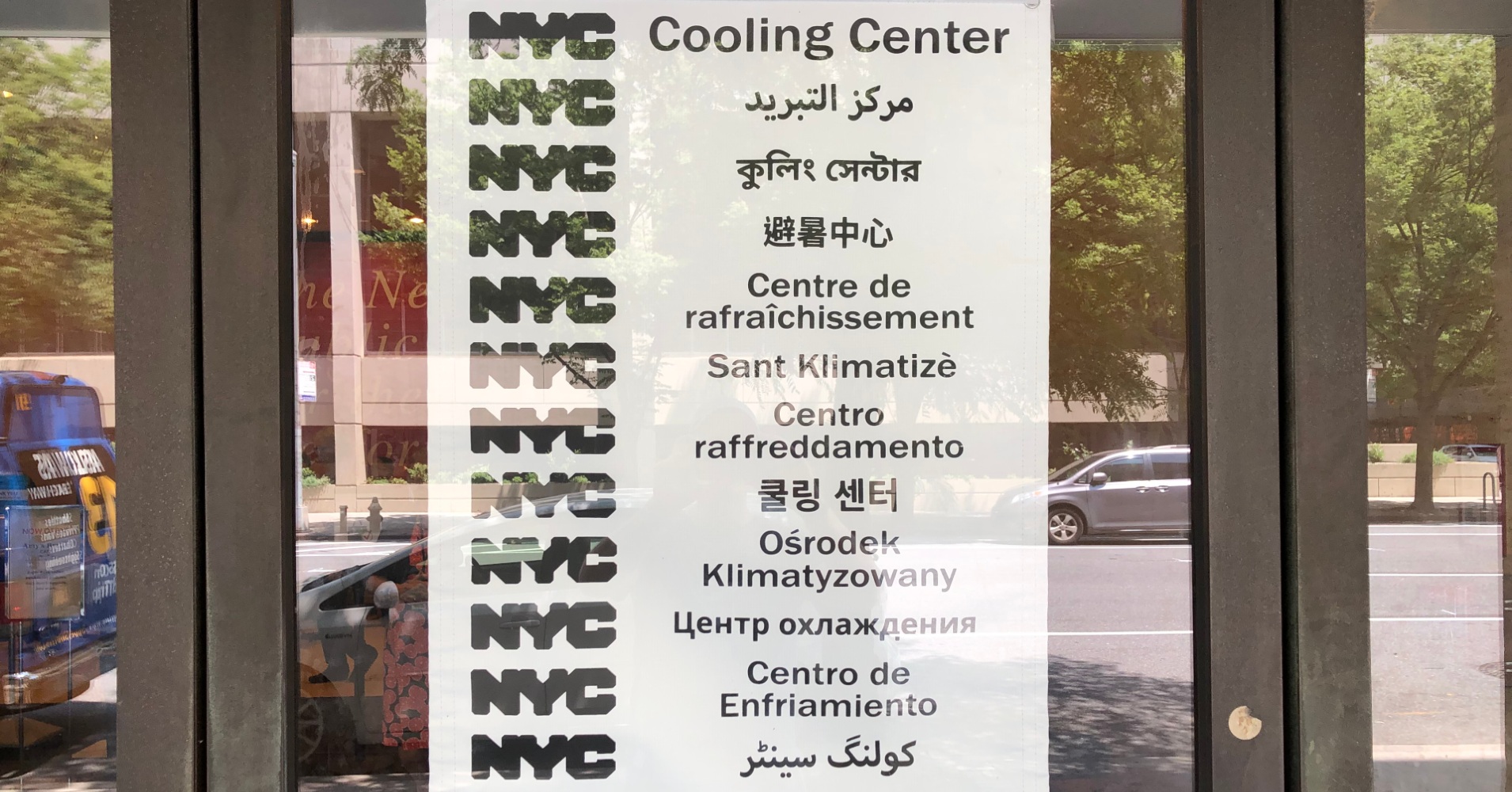
While access to cooling is taken for granted by many in countries like the U.S., where most households have some form of air-conditioning appliance, roughly 1,500 people in the country still die each year from the impacts of extreme heat. In fact, heat waves claim more lives in the U.S. than any other weather-related event.

In June 2021 alone, around 800 deaths were attributed to the record-breaking heat wave in the Pacific Northwest and British Columbia. More than 3,500 people in the U.S. were also admitted to emergency rooms for heat-related illnesses.

And the implications of heat extend beyond health and well-being, with heat exposure impacting students’ ability to learn and workers’ ability to work safely. In addition to creating dangerous conditions for workers, extreme heat is also known to destabilize the economic output of entire industries, like agriculture.

As with many aspects of the climate crisis, extreme heat disproportionately affects low-income households, who tend to live in areas where ambient temperatures are typically higher and access to cooling solutions is limited – exacerbating and perpetuating existing inequities.

As the world continues to warm and extreme heat events become more frequent and severe, it’s essential that we take urgent action to increase access to affordable clean cooling solutions, particularly for those who face the most significant risks.

The built environment

In the U.S., cities can be up to 7° F (3.9° C) hotter than surrounding areas due to the urban heat island (UHI) effect. Even within cities, some neighborhoods are hotter than others, with disparities often falling along racial and economic lines. Neighborhood-level hot spots tend to be in communities with higher population densities, more buildings, and less green space.     

A legacy of discriminatory race-based land-use policies and practices – such as redlining in the U.S. – has resulted in disinvestment in neighborhoods where people of color live. While this has led to many harmful systemic socioeconomic effects, it has also impacted the built environment of these communities and has contributed to the exacerbation of the UHI effect. 

Heat and income 

The effect of UHIs permeates indoors too when buildings are not designed with energy efficiency in mind, thus leading to higher temperatures for occupants. This is particularly unsafe for low-income households because they are less likely to have air conditioning in their homes.

Even for residents who might have air conditioning, the cost of running it – particularly with rising energy prices – makes thermal comfort unaffordable to many. Before the pandemic, one-third of U.S. households faced challenges in paying their energy bills, meaning that switching on the AC, even in the height of summer, becomes a difficult financial decision for millions of low-income Americans, even when health and safety are at risk.

The impacts of AC

While we need more cooling to adapt to our warming world, conventional ACs unfortunately contribute significantly to the warming of our planet. This is particularly true if they are inefficient and contain super-polluting refrigerants, which is largely typical of today’s appliances.

The amount of energy ACs use also creates a challenge for our energy grids, with electricity blackouts becoming increasingly common during extreme heat events due to spikes in energy demand from cooling.

The good news is that sustainable cooling solutions (both passive and mechanical) exist. To make efficient, climate-friendly cooling affordable and accessible to all, we need policymakers and other key stakeholders to implement various policies and programs that can help get rid of disparities.

Clean cooling for all

While ensuring country-wide access to sustainable cooling may seem like an impossible challenge, several solutions can help protect both people and the planet. 

To begin, cities can limit the UHI effect and reduce neighborhood temperatures by adopting local policies and ordinances that set targets and requirements for enhanced green space and the use of reflective materials.

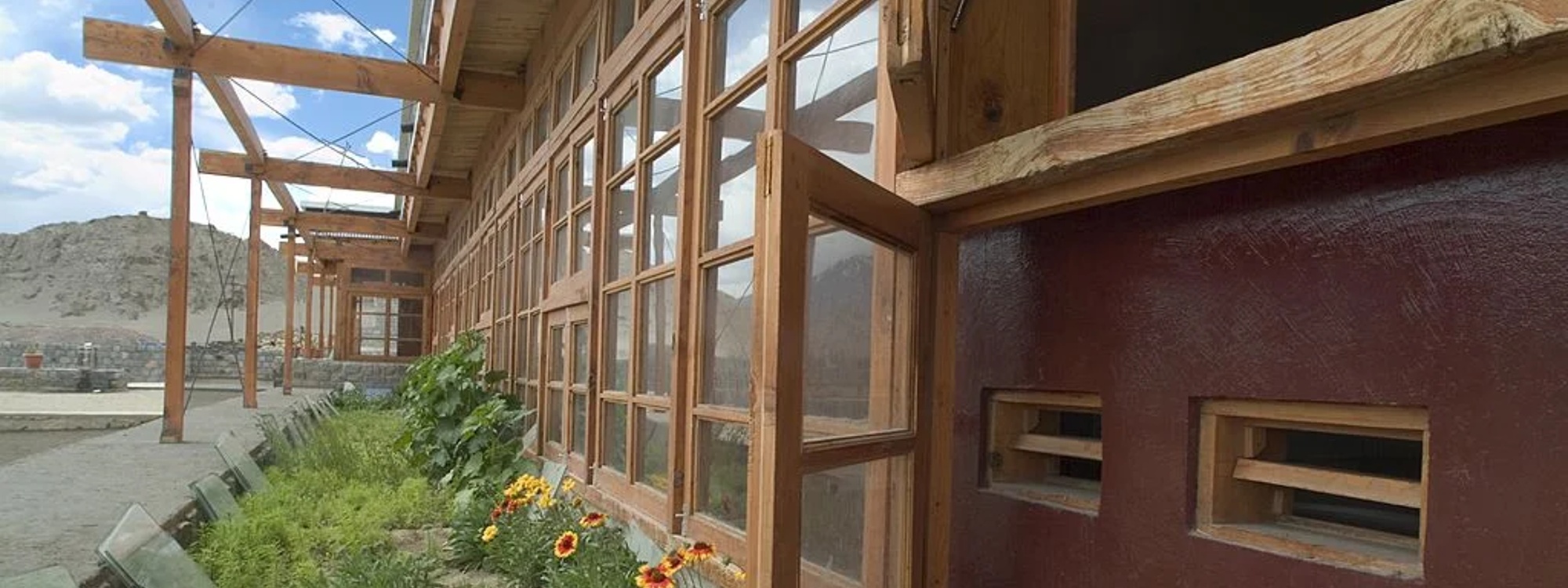
Making buildings more energy efficient and designing them with thermal comfort in mind can ensure they are also naturally cooler. This means that when air conditioning is needed, achieving and maintaining a comfortable and safe indoor temperature will take less energy. 

Financial assistance programs can help low-income households purchase energy-efficient, climate-friendly cooling appliances (like efficient air conditioners or heat pumps) that cost less to operate due to reduced energy consumption. Similar programs can also provide low-income households with utility bill assistance during the heat season to cover cooling costs.

Clean Cooling Collaborative is working with a number of organizations across the U.S., including the New Buildings Institute, the Building Decarbonization Coalition, and the Center for Energy Poverty and Climate to roll out a variety of these solutions.

A resilient future

Without action, the impacts of extreme heat will only worsen as temperatures continue to climb. Under a high-emissions scenario, it’s estimated that heat-related deaths in the U.S. could rise by 57%.

Policymakers, businesses, and other stakeholders must collaborate to urgently implement sustainable and inclusive cooling solutions, including energy-efficient technologies and programs to support access.

Investing in accessible cooling is not just about protecting the well-being of individuals and communities, it’s also about ensuring a more resilient and sustainable future for the entire U.S. – and beyond. By ensuring resilience and promoting equitable access to cooling, we can protect public health and safety, and reduce energy demand.

Indonesia’s Cool Roofs Champion

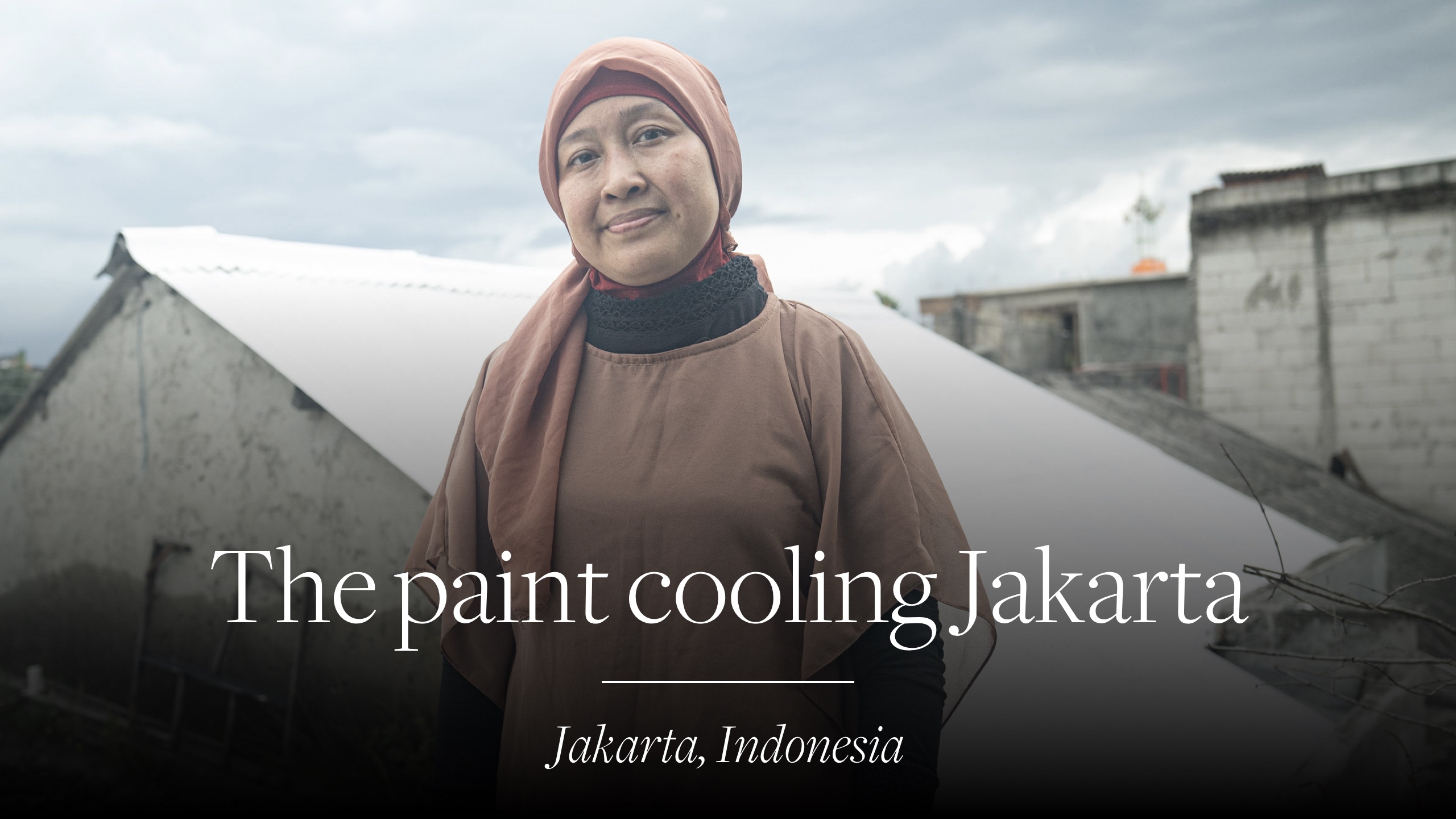
Architecture professor Beta Paramita is on a mission to help cool the people, buildings, and cities of Indonesia with the use of a simple but effective climate-friendly solution – cool roofs. Read more about Beta’s work below or watch this short film produced by BBC StoryWorks Commercial Productions for the Clean Cooling Collaborative.

For more than 40 million city dwellers across Indonesia, the familiar combination of rising temperatures, uninsulated housing, high costs of buying and running cooling appliances, and unstable electricity supply threatens their health and livelihoods.

This is the case for an elderly couple and their grandson living in Tangerang – an industrial city on the outskirts of the Greater Jakarta metropolitan area. At night it can be too hot to sleep and during the day, high temperatures make it difficult to study.

Beta Paramita cool roofs Indonesia

According to Beta Paramita – architecture professor at Universitas Pendidikan Indonesia (UPI) and Project Manager of Cool Roofs Indonesia (the winning team of the Million Cool Roofs Challenge) – this is quite typical of low-income housing in Indonesia’s cities.

Having studied urban heat islands[1]A metropolitan area that is significantly warmer than surrounding areas due to factors like less green space, more heat-absorbing materials (e.g., concrete and steel), and waste heat from human activities. for many years, Beta is on a mission to help cool the people, buildings, and cities of Indonesia with the use of a simple but effective climate-friendly solution – cool roofs.​​

The benefits of a cool roof

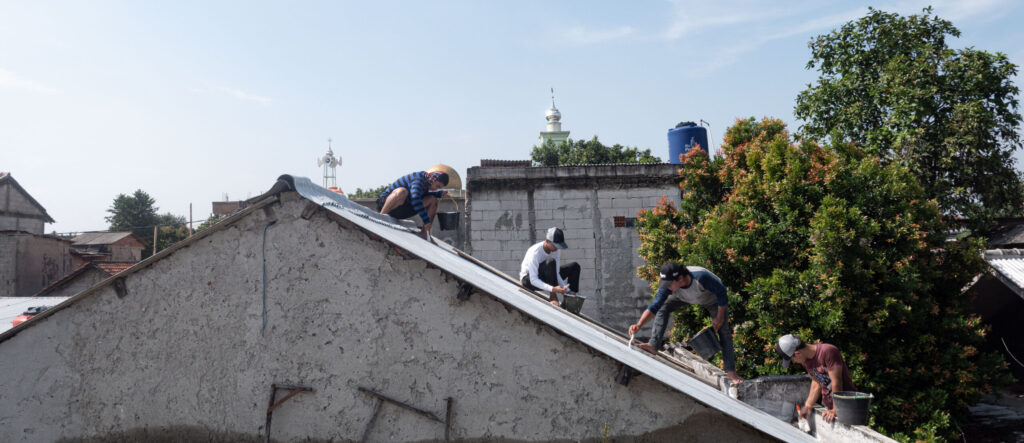
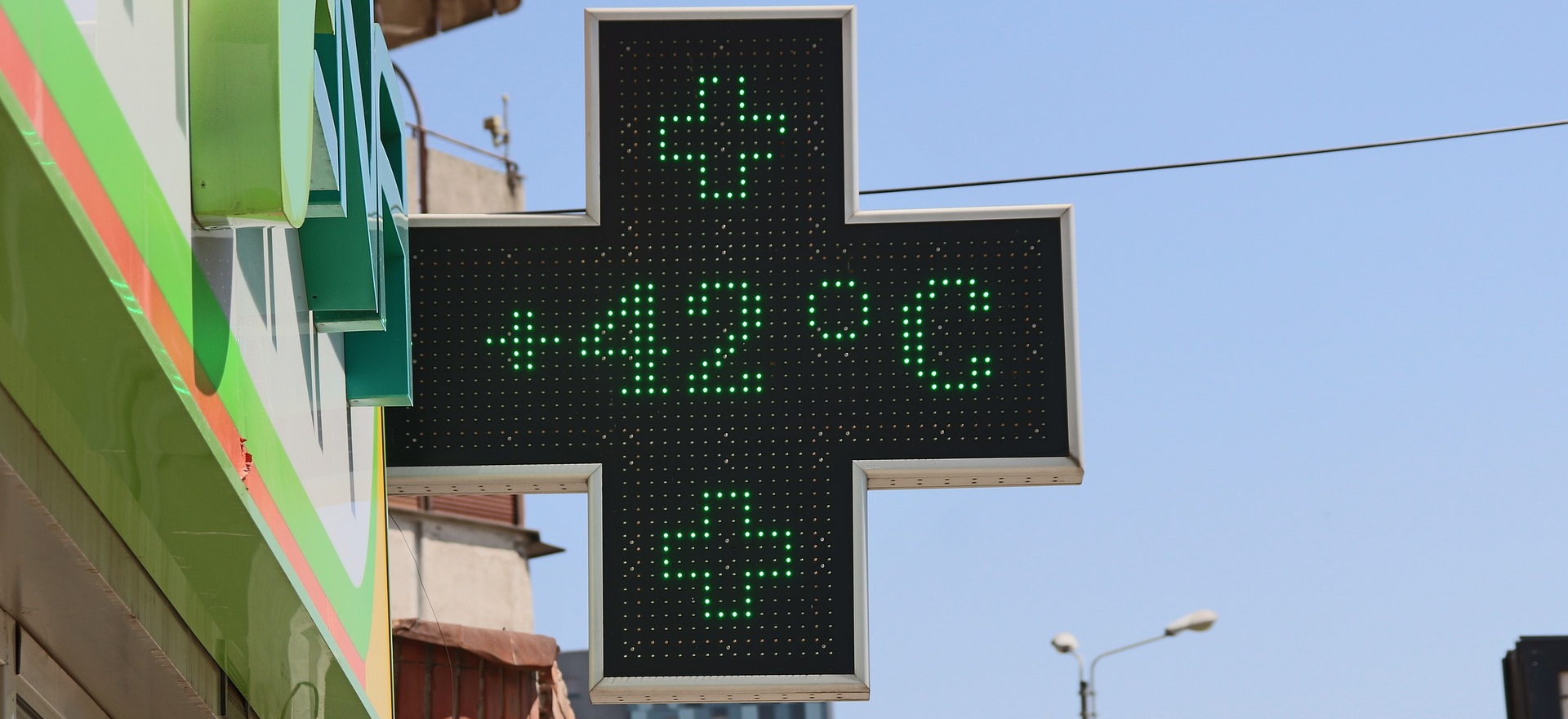
On a hot day, a black roof can reach over 150°F (66°C), radiating heat into the building below, as well as the surrounding area. By applying a ​specially-designed ​solar-reflective coating to a building’s roof, it absorbs less of the sun’s radiation, reducing internal temperatures by multiple degrees and improving thermal comfort for the building’s inhabitants.

If deployed across a whole community, cool roofs can reduce local ambient temperatures and help lessen the urban heat island effect.

In addition to providing thermal comfort to those who don’t have access to cooling appliances like fans and air conditioners, cool roofs also help reduce the need to switch on appliances for those who do have them, cutting energy consumption. In a country like Indonesia, where the majority of electricity comes from coal-fired power plants, reduced energy use can significantly lower greenhouse gas emissions​, ​while also supporting the country’s transition to renewable energy by lowering demand on power grids.

Workers applying a reflective coating to a roof in Tangerang, Indonesia.

Scaling up cool roofs in Indonesia

Under the Million Cool Roofs Challenge, Beta and her team expanded the use of cool roofs in Indonesia, coating 70 buildings across 15 cities. In total, the team estimates that more than 10,000 people will benefit from the new cool roofs.

Beta’s team saw some of the Challenge’s most impressive reductions in indoor temperatures. At one industrial site, indoor temperatures dropped by around 20°F (11°C), from 104°F (40°C) to 85°F (29.4°C) following the application of the cool roof coating. And at an elementary school, a cool roof helped reduce indoor temperatures by 5.4°F (3°C).

Since winning the Challenge, Cool Roofs Indonesia has used some of its prize money to install cool roofs on more than 40 public and community buildings, with a plan to continue to deploy the technology at a similar rate over the coming years.

Through UPI and in partnership with the University of Florida and Milenium Solutions, the team is also working to make cool roofs even more accessible by scaling up local production of cool roof materials, which in turn, will reduce production costs. The team has registered a national brand and continues to optimize the formulation of cool roof materials to make cool roofs more effective and durable.

UPI is working to set up the country’s first building energy research center and test lab to establish credible rating and certification systems for cool roof products and other building materials. In turn, this will help provide reliable performance data for consumers and policy makers, enable the development of viable business models, and spur the growth of the market

Beta and her team have established distributors of their cool roofs product across 10 cities and are actively promoting the application of cool roofs on commercial and residential properties. Several commercial property managers and developers are exploring partnership opportunities and Indonesia’s Ministry of Public Works and Housing is working to develop design guidelines that integrate cool surfaces into affordable modular housing.

​​​​Beyond cool roofs

While cool roofs can bring many benefits to a city, they cannot solve Indonesia’s cooling challenge alone. From other passive measures like better building design and urban planning, to mechanical options like super-efficient fans and air conditioners or district cooling, a variety of climate-friendly cooling solutions will be necessary.

​T​o support the adoption of these solutions, a range of policies, technological developments, and financial initiatives are needed.

Indonesia is taking action on clean cooling, having recently strengthened its mandatory minimum energy performance standards (MEPS) for air conditioners and refrigerators, and expanded them to include fans. While the country’s AC standards are in line with most other ASEAN (Association of Southeast Asian Nations) markets, they are well below international benchmarks for model regulations, providing considerable ​opportunity​ to increase their stringency.

In December 2022, Indonesia ratified the Kigali Amendment to the Montreal Protocol[2] The Kigali Amendment is an international agreement that will phase down the use of super-polluting hydrofluorocarbon (HFC) refrigerants that are often thousands of times more harmful than CO2., with plans to implement the agreement this month. By transitioning to climate-friendly refrigerants, the climate-impact of Indonesia’s air conditioners will be dramatically reduced. An accelerated transition would have an even greater positive effect.

Indonesia is also in the process of developing its first National Cooling Action Plan (NCAP). This will create a comprehensive and holistic approach to tackling the county’s cooling challenge moving forward.

With more than 2 billion square meters of new residential floor area expected to be built across Indonesia by 2030 — and an additional 22 million new air conditioners expected to be installed over the same period — scaling up the adoption of cool roofs and other clean cooling solutions across the country will have a significant impact toward reducing the country’s energy demand and expanding vital cooling access for millions.

Clean Cooling Recap: How cool was 2022?

To combat the climate crisis, urgent action on clean cooling is vital. What developments happened in 2022, and where do we need to go next?

As of early December, 2022 was on course to become the joint-fourth warmest year on record. This is largely due to uncharacteristically high temperatures recorded in parts of the U.S. and Europe over the summer, coupled with several extreme heat events in India, Southeast Asia, and elsewhere.

To keep up with these rising temperatures, it’s unsurprising to see that demand for cooling is also on the rise. Since 2000, energy demand for space cooling has risen at an average pace of 4% per year. In 2021, it grew by more than 6.5%.

Without urgent action to improve the performance of our cooling appliances and the designs of our building and cities, this unsustainable trend will continue to have a significant impact on our energy systems and planet.

While there’s plenty of work still to do, 2022 showed that there’s continued momentum on our path to efficient, climate-friendly cooling for all. Below are some highlights from the year, both from within the Clean Cooling Collaborative (CCC) community and more general trends from around the cooling sector.

CCC updates

In March 2022, we announced Cool Roofs Indonesia as the winning team of the Million Cool Roofs (MCR) Challenge. In addition to bringing the benefits of passive cooling to over 10,000 people, the Indonesian team has set the stage to scale up the adoption of cool roofs in the country by creating local supply of cool roof materials. The team now has plans to work alongside government ministries to build on the successes of their MCR project and develop policies that will facilitate the continued adoption of cool roofs across Indonesia.

In July, we announced a four-year $25 million grant from the IKEA Foundation. The new funding will support our work to shift governments, industries, and consumers towards using clean cooling technologies; help reduce greenhouse gas emissions in line with the Paris Agreement; and improve billions of lives.

Over the summer, we also shared our refreshed CCC strategy, which we’ve designed to help facilitate the changes necessary to reverse the worrying trend of rising cooling-related greenhouse gas emissions.

In November, at COP27 in Egypt, Arsht-Rock, with support from the Clean Cooling Collaborative, JPMorgan Chase, and other partners, launched its Cool Capital Stack. This $750 million, first-of-its-kind project pipeline is dedicated to mobilizing investment in projects and technologies to protect people, communities, and local economies from climate-driven extreme heat. This Cool Capital Stack will work with both active and passive cooling solutions, with a focus on vulnerable communities, including women and girls.

General cooling updates 

Heat pumps 

Global interest in heat pumps – which offer fossil fuel-free heating as well as energy-efficient cooling – really took off in 2022, due to rising climate ambition and international efforts to boost energy security in light of Russia’s invasion of Ukraine.

From an emissions reduction perspective, shifting to high-efficiency electric heat pumps instead of a combination of stand-alone furnaces and air conditioners in residential buildings and certain commercial buildings could avoid the emission of roughly 80 million tons of CO2e each year in the U.S. alone.

To encourage the adoption of heat pumps in the U.S., President Biden’s Inflation Reduction Act (IRA) is providing $4.5 billion in rebates for the purchase and installation of new energy efficiency appliances, including heat pumps.

Energy efficiency 

2022 was the year that the impacts of China’s updated AC minimum energy performance standards (MEPS) were really seen. Thanks to these MEPS, China’s room AC market has transitioned from inefficient fixed-speed ACs to variable-speed models, which use around 30% less energy.

In the ASEAN region, the United Nations Environment Program’s (UNEP) United for Efficiency (U4E) initiative, Lawrence Berkeley National Laboratory (LBNL), and other partners have worked with member states to develop a regional MEPS roadmap to support the adoption of more efficiency room air conditioners. With this plan as a guide, CCC is supporting several member states to begin implementing more stringent MEPS and realize the multiple benefits of improved efficiency.

According to updated analysis from U4E published in September, the adoption of MEPS for residential and commercial air conditioners and refrigeration equipment (as outlined in U4E’s Model Regulations) in all developing and emerging economies could save 653TWh of electricity each year in 2040. This would reduce emissions by 569 million tons of CO2e and consumer bills by $96.5 billion annually.

Last year, we also worked alongside U4E, LBNL, and other stakeholders for the development of model regulations and labelling guidelines for ceiling fans and technical specifications for off-grid refrigerators, which can be used to support bulk procurement programs.

And to help ready the market for 5X air conditioners (prototypes of which were developed under the Global Cooling Prize), we’ve been working with partners to revise the test procedures for measuring product energy use and performance so that the significant additional efficiency gains of these models can be recognized. We are looking forward to additional progress in 2023 towards the commercialization of these models.

HFC phasedown 

According to UNEP’s Ozone Secretariat, 17 parties of the Montreal Protocol ratified or accepted the Kigali Amendment in 2022, bringing the total number of ratifications to 146. 51 parties of the protocol are yet to formally approve the international agreement to phase down the use and production of HFCs.

Among the parties to ratify the Kigali Amendment last year are two major consumers of cooling – the U.S. and Indonesia. With cooling demand projected to boom in both countries over the coming decades, their commitment to phasing down the use of HFCs in their air-conditioning and refrigeration appliances is a significant win for climate action.

In November, at the 34th Meeting of the Parties to the Montreal Protocol (MOP34), participants discussed both the successes of the international agreement and what needs to happen to ensure future impact.

During the meeting’s high-level roundtable session, panelists encouraged governments to look towards parties like the EU and Grenada as success stories for the implementation of the Kigali Amendment (and beyond). They also emphasized the need for ongoing funding for developing countries (i.e., Article 5 parties) to support their transition to alternative technologies, capacity-building/ training, etc.

At MOP34, parties agreed to adopt 24 decisions, including one to tackle the illegal import of certain refrigeration, air-conditioning, and heat pump products and equipment.

Outreach and advocacy

A number of our partners had a busy year raising awareness about the dangers of extreme heat and advocating for a range of solutions that can protect communities from it.

In May, at the World Economic Forum, Arsht-Rock launched its new Heat Action Platform, in partnership with the Cool Coalition, the Global Covenant of Mayors for Climate and Energy, Mission Innovation, and RMI.

At COP27, cooling was a main focus of at least 20 sessions during the conference. What was particularly interesting was the fact that these events were hosted at a range of themed pavilions – energy, food, health, buildings, etc. – indicating just how much of a cross-cutting topic cooling is.

Cities, nature-based solutions, and the cold chain were big topics and while cooling was discussed from various angles, a few common threads popped up during most events: policy, technology, and finance. Other points that were mentioned frequently included the need for more data, more cross-sectoral collaboration, and more awareness raising around clean cooling as a mitigation and resilience solution.

The Cool Coalition and Sustainable Energy for All (SEforALL) also launched its Nature for Cool Cities Challenge at COP27. The challenge aims to demonstrate the impact of nature for urban cooling and drive finance for upscaling projects. Over the course of the year, cities will pledge to increase the proportion of high-quality nature-based cooling solutions. Challenge winners will be profiled at COP28 in the United Arab Emirates in November/December 2023.

Several key reports were also published in 2022, helping to shine a light on the issues surrounding cooling. The Cool Coalition partnered with the FAO to produce Sustainable Food Cold Chains: Opportunities, Challenges and the Way Forward; SEforALL released the 2022 edition of its Chilling Prospects series, which tracks global access to sustainable cooling; and RMI quantified the value of urban nature in Growing to Its Potential: The Value of Urban Nature for Communities, Investors, and the Climate. More cooling resources from last year can be found in our resources section.

Continued action 

As we move into the new year, the need to act on extreme heat and clean cooling isn’t going to let up, with 2023 likely to be even warmer than 2022.

While we’ve got a lot of work to do over the next 52 weeks, many actors from all over the cooling sector seem eager for a step change. Many of the trends we’re seeing focus on action and implementation, which makes us optimistic about what’s to come over the next year.

First stop in 2023 will be the Abu Dhabi Sustainability Week, which kicks-off this Saturday (January 14) and is set to throw down the gauntlet when it comes to cooling action. Stay tuned!

A guide to cooling at COP27

With COP27 starting in just a few days, we wanted to let you know what cooling events are planned for the two weeks in Sharm El-Sheikh. From sustainable cities and cold chains, to energy efficiency and passive cooling, there are lots of great cooling events scheduled at COP27.

Please find a preliminary list of events below. We will update the list as new events are announced and details are confirmed. All times are EET. 

We hope to see stakeholders from all around the world participate in discussions, announce new commitments to energy-efficient, climate-friendly cooling, and demonstrate the leadership we need to achieve climate and development goals.

Wednesday, November 9th

Cities taking the lead on heat action

08:00-08:45 – Resilience Hub

Arsht-Rock

During this session the Mayors of Freetown, Sierra Leone, Monterrey, Mexico and the former Mayor of Quito, Ecuador will join our Chief Heat Officers from Athens, Greece and Santiago de Chile to discuss best practices for addressing extreme heat related risks to protect urban population and the economy from the threat of this “silent killer.”

The Mayor of Monterrey will present the “Joint Declaration of Climate Emergency” for 20 Municipalities in Mexico, while the former Mayor of Quito will describe the Global Heat Advocacy Strategy that the City Champions for Heat Action Mayors are implementing to advance the urban extreme heat agenda with top world leaders and organizations.

Watch the session here.

Announcement: First Global Ambassador for Heat Action

10:45-11:00 – Resilience Hub

Arsht-Rock

To drive support for heat mitigation and adaptation at an international scale, Arsht-Rock will partner with the former President of Mexico Felipe Calderón to take on the role of the first-ever Global Ambassador for Heat Action. During the event, Arsht-Rock will present President Calderón with his new position at COP27. Join us to learn more about the role!

Watch the session here.

The Cool Capital Stack: Investing in cooling solutions to protect people and their livelihoods

11:00-12:00 – Resilience Hub

Extreme Heat Resilience Alliance

Investing in cooling solutions to protect people’s health, well-being and livelihoods is essential. Heat is a multi-faceted challenge with broad implications on public health, communities and the systems that connect and sustain them. This will be a conversation featuring private, public and civil society actors who are making tangible progress towards scaled solutions that cool cities, delivering critical health, equity, resilience and economic outcomes.

The session will also launch the Cool Capital Stack, a new initiative of the Adrienne Arsht Rockefeller Foundation Resilience Center to mobilize all forms of capital to invest in cooling solutions that protect people and their livelihoods from extreme heat.

ClimateWorks’ Helen Mountford is scheduled to speak at this event.

Watch the session here.

Climate-friendly energy for securing positive health outcomes

17:00-18:15 – WHO Health Pavilion

World Bank ESMAP

SDG3 (Good health and well-being) is closely linked to SDG7 (Affordable and clean energy) and SDG13 (Climate action). The Covid-19 pandemic has shown how energy is critical to power health facilities and medical cold chains for the delivery of vaccines and how climate-friendly investments in this regard can leave a lasting legacy. The session will examine the energy-health-climate nexus by highlighting impactful initiatives and country examples across the following key topics: electrification of healthcare facilities through renewable energy and deployment of climate-friendly medical cold chains to deliver vaccines.

Watch the session here.

Thursday, November 10th

Announcement: #ThisIsCool Youth Innovation Challenge Winners

11:45-12:15 – SDG7 Pavilion

SEforALL

Watch the session here.

Friday, November 11th

Fast-action mitigation to slow warming in this decisive decade

09:00-10:00 – U.S. Pavilion

WRI, IGSD

We’re running two simultaneous races to keep the 1.5°C guardrail within reach, and we need to win both. We need to succeed in the sprint to cut methane and other super climate pollutants this decade so that we can slow warming and stay in the marathon to decarbonize by 2050.

This event focuses on the science-backed solutions and strategies for cutting non-CO2 greenhouse gases that can get us around the curve toward the net-zero finish line — while improving air quality and ensuring the health of humans and the planet.

Watch the session here.

Banking for net zero: Practical tools for emerging market financial institutions to accelerate decarbonization

09:00-10:00 – RCREEE Pavilion

Cool Up Programme

Learn more here.

District Cooling: A low carbon solution to cool cities

13:00-14:30 – RCREEE Pavilion

Cool Coalition, RCREEE, Cool Up Programme

The goal of the event is to provide a call to action to local and national governments, real-estate developers, investors, and utilities about the urgent need to implement sustainable cooling solutions to decarbonize cities, and raise awareness on available solutions like district cooling. This session will raise awareness about the environmental, social, and economic benefits of district cooling. It will also showcase the innovative, local and scalable district cooling approaches already being implemented by cities globally and the opportunities for their application in the MENA region.

Learn more here.

Saturday, November 12th

Shedding light on a blind spot: Leveraging the vast emissions reduction potential of correct disposal of refrigerants to achieve NDCs

11:30-13:00 – IETA Hub

GIZ, Climate and Ozone Protection Alliance (COPA)

The global demand for refrigeration and air conditioning continues to grow and with that the stock of appliances, foams and products containing substances with a high global warming potential. These so-called banks of Ozon Depleting Substances (ODS) and Hydrofluorocarbons (HFCs) are not being managed or disposed in an environmentally sound manner and emit substances equivalent to approximately 1.5 Gt CO2 each year.

The focus of the side event is to highlight the potential of managing ODS and HFC banks and how it can be used to raise NDC ambitions.

Learn more here.

Sustainable cold chains: The missing link for sustainable development

15:30-17:30 – Italy Pavilion

UNEP, Cool Coalition, Italy, FAO

The session will showcase that acting on a sustainable cold chain offers a multi-faceted win for people and the planet. During the event, the challenges and opportunities for promoting sustainable food cold chain will be highlighted. A joint report from UNEP and FAO will be launched, outlining existing best practices and making recommendations for governments and industry to accelerate sustainable cold chains development to ensure food security, mitigate of climate change and impacts of foods system.

Learn more here.

Deploying a broad portfolio of technology solutions to advance energy transition and decarbonization

18:30-20:00 – Tutankhamun side event room

Cool Up Programme

Learn more here.

Monday, November 14th

The clean heating and cooling forum

16:45-18:15 – Tutankhamun side event room

IIF/IIR, EPHA

Globally, heating and cooling contribute almost 40% of emissions from energy-related sources. Delivering clean heating and cooling in buildings and food chains can align climate policy with development goals. This session will dive into these frontier challenges, exploring policy, technology and models needed

Watch the session here.

Strengthening action on resilience to extreme heat and advancing climate friendly cooling

17:00-18:00 – UN Climate Change Global Innovation Hub Pavilion

NRDC, MOEFCC, UNFCCC

Watch the session here.

Tuesday, November 15th

‘After Kigali Amendment’ – Towards a National Cooling Plan in Türkiye

10:00-12:00 – Türkiye Pavilion

Cool Up Programme

Learn more here.

Beating the heat: Accelerating access to sustainable climate solutions in cities

13:30-16:30 – Buildings Pavilion

Cool Coalition, RMI, SEforALL, WWF

Cooling in a warming world has become an adaptation imperative. Countries across the globe have witnessed record high temperatures in 2022 and by 2050, 50-75% of the global population will be exposed to life-threatening extreme heat and humidity due to climate change. This thematic session will explore opportunities for cities to accelerate access to sustainable climate solutions. It will also present best practices from around the world, with a focus on solutions to beat the rising heat with green, sustainable and inclusive approaches.

Watch the session here.

Catalyzing the sustainable cooling shift: Doubling climate benefits

14:00-15:00 – IsDB Pavilion

Cool Up Programme

Watch the session here.

Wednesday, November 16th

Beat the heat: Nature for Cool Cities Challenge

09:00-10:00 – SDG7 Pavilion

SEforALL, Cool Coalition, RMI, WWF

Our cities are getting hotter and nature can help reduce urban temperatures and increase thermal comfort for urban dwellers. The cooling benefits of nature-based solutions (NbS) are well documented, but they need to be better understood and leveraged to increase implementation and bring about change at a global level. The “Beat the Heat: Nature for Cool Cities Challenge” is asking participants to pledge to increase the implementation of NbS in their urban areas by 2030 and demonstrate tangible progress by 2024. Participants will be asked to commit to at least one qualitative goal and three implementation actions to back their pledge.

CCC’s Axum Teferra is scheduled to speak at this event.

Watch the session here.

Sustainable cooling: A multipurpose tool to deliver on net-zero, adaptation, food and energy security

13:15-14:45 – Osiris side event room

UNEP, Viet Nam, BASE, Cool Coalition

Cooling is the key to protect communities from rising temperatures, keep food safe, vaccines stable, accelerate the energy transition and get to net-zero. By scaling up sustainable cooling solutions we can deliver on mitigation and adaptation goals, while strengthening food and energy systems. This session will present cooling as a multipurpose tool that support in achieving net zero goals, better adaptation as well as food and energy security.

CCC’s Axum Teferra is scheduled to speak at this event.

Watch the session here.

SDG7 and Cooling for All: Delivering solutions at the last mile #ThisIsCool

16:30-17:30 – SDG7 Pavilion

SEforALL, Carbon Trust, World Bank ESMAP

Access to climate-smart and sustainable cooling can accelerate SDG 7 and catalyze equitable, resilient development for rural populations in a warming world. Yet this requires a holistic systems approach to create enabling ecosystems through bringing together all the key stakeholders and making the best of what they each have to offer. This session will highlight the synergies between sustainable access to energy and cooling in rural areas and demonstrate how they are inextricably linked, showcasing how cooling, powered by distributed renewable energy can change – and save – lives.

Watch the session here.

Thursday, November 17th

The Cool Move: Low carbon cold chain and agro-logistic revolution for emerging markets

14:30-15:15 – Food Systems Pavilion

Rabobank

The lack of cold storage infrastructure in Sub-Saharan Africa is a critical bottleneck to the development of local value chains and a major contributor towards for food losses, especially in the rapidly emerging fruits, vegetables, dairy, livestock and fishery sectors. Currently, most local value chains suffer from poor cold chain infrastructure, lack of access to relevant and suitable financing mechanisms, lack of access to markets, knowledge and technology.

This cold chain event will focus on promoting the development of cold chain solutions (both accessibility and utilization) in rural areas, based on bankable and scalable business models, via appropriate financial solutions and backed by market linkages and data.

CCC’s Axum Teferra is scheduled to moderate this event.

Watch the session here.

Cleaning up how we cool down

Today’s cooling technologies are energy-intensive, polluting, and inaccessible to many. If we’re to minimize our climate impact while ensuring cooling needs are met, adopting energy-efficient, climate-friendly, grid-friendly, and affordable solutions is a must.

But how can we optimize policy and market conditions for the widespread adoption of these improved cooling technologies?


As global temperatures rise, the need for cooling has become a vital part of modern-day life in order to keep safe from the threats of extreme heat, with many people now considering it a human right.

The irony is that the increasing demand for cooling is fueling the proverbial climate fire thanks to the energy intensity of today’s cooling technologies and the climate impact of the refrigerants they contain. To avoid locking ourselves into this dangerous feedback loop, we must urgently transform the cooling sector.

A large part of this transformation will be reducing the need for mechanical cooling through smarter building design and urban planning, but in many parts of the world, we cannot rely on passive measures alone to keep people, food, and medicines cool. As the mercury continues to climb and extreme heat events become more frequent and more intense, mechanical cooling technologies (like air conditioning) are no longer a luxury; instead, they have become a necessity.

Because of this, another part of the transformation will be ensuring that the cooling technologies being installed in our homes, schools, and work places are as sustainable as possible – i.e., energy efficient, climate friendly, grid friendly, and affordable.

While this may sound like an impossible feat, there are several existing solutions that can help reduce the sector’s energy consumption and greenhouse gas (GHG) emissions. That said, some need to be developed further and quickly, and they all must be rolled out at scale to significantly reduce cooling’s climate impact.

If we get cooling right, we could avoid 100 gigatons of CO2e by 2050 while also closing the cooling access gap.

Energy-efficient cooling

According to recent analysis from the IEA, space cooling accounted for nearly 16% of the building sector’s electricity consumption in 2021 after experiencing the highest annual growth among all building end uses.

Without moving towards the best available products and improving the performance of the buildings and environments in which they operate, the IEA predicts that the electricity demand for space cooling in buildings could increase by as much as 40% globally by 2030.

Electricity demand for space cooling in buildings could increase by as much as 40% globally by 2030.

To prevent this outcome, we are collaborating with several of our implementing partners to scale up the adoption of these ‘best available products’.

Building on the fantastic work completed under RMI’s Global Cooling Prize, we are working to  catalyze the transition from the prize’s “5X” air conditioner prototypes – i.e., units that can provide thermal comfort with five times less climate impact – to market-ready products.

First up is revising the test procedures for measuring product energy use and performance. As the current method only tests at medium humidity levels and full loads, it doesn’t capture the additional energy savings that the 5X and other models can deliver in climates with high humidity and when operated at partial load. Including these features in test methods will help distinguish these super-efficient products from those currently in use.

Partnership with industry and government partners is critical to creating conditions that support the delivery of breakthrough technologies into the marketplace.

Within the next few years, our target is to see 5X air conditioner technologies being developed and commercialized by multiple manufacturers.

Ambitious efficiency standards and labels are also an important part of the equation to ensure that only the most energy efficient appliances are produced and sold.

According to the IEA, to get on track with the Net Zero Scenario, the average efficiency rating of new air conditioners would need to increase at least 50% by 2030 in all markets. The IEA also stipulates that policies like Minimum Energy Performance Standards (MEPS) could double the average air conditioner’s efficiency.

And while more than 80 countries already have MEPS for air conditioners and additional standards are currently under development in more than 20 countries, not all MEPS are created equal. Any existing MEPS that is not ‘best practice’ – i.e., in line with United for Efficiency’s Model Regulation Guidelines – should be updated.

By 2026, we hope to have raised the efficiency floor and removed the least efficient cooling products (e.g., fixed speed air conditioners) from key markets, much like China has achieved with its adoption of top tier standards.

In addition to providing clean heating, heat pump technologies also have the ability to provide energy-efficient cooling. In fact, replacing old air conditioning units with a heat pump can improve your home’s cooling efficiency by 50%. Because of this, we are also working to scale up and deploy innovative dual heating and cooling solutions like heat pumps.

If we get cooling right, we could avoid 100 gigatons of CO2e by 2050 while also closing the cooling access gap.

Climate-friendly cooling

Hydrofluorocarbons (HFCs) dominate the cooling market and are thousands of times more harmful to our climate than CO2. By ensuring global implementation and compliance of the Kigali Amendment to the Montreal Protocol, which phases down the production and consumption of HFCs and other refrigerants with high global warming potential (GWP), we could avoid significant GHG emissions.

In collaboration with many of our implementing partners, we are working to ensure proper Kigali implementation and, in some places, an expedited phasedown by leveraging the environmental and economic advantages of early action.

Grid-friendly cooling

As demand for cooling increases, it’s projected to contribute to almost 50% of some countries’ peak electricity load, leading to power outages and high costs for consumers.

Demand response programs can enhance the flexibility of cooling loads, reducing strain on power grids, which is particularly important as electric grids evolve into more dynamic systems with the increasing use of renewable power.

To support this transition, we are working to scale up and deploy innovative demand management solutions and enabling business models.

Affordable cooling

Simply developing energy-efficient, climate-friendly, and grid-friendly cooling technologies is not enough; we must also ensure that these solutions are affordable and accessible to everyone who needs them.

There are numerous projects underway that are improving the affordability and accessibility of clean cooling solutions, but more on that in an upcoming blog…

The right solutions already exist, we just need to urgently scale up the adoption of these technologies around the world.

Today’s cooling technologies consume a vast amount of electricity and produce a significant amount of global GHG emissions (more than 7%) and more must be done to dramatically reduce cooling’s climate impact without limiting access to the communities and sectors who need it.

The right solutions already exist, we just need to urgently scale up the adoption of these technologies around the world.