Riddle me this: How can you stay cool without an air conditioner?

By improving the use of passive cooling solutions in the design of our buildings and cities, we can improve thermal comfort and reduce the need for energy-intensive cooling appliances like air conditioners. 

Today’s cooling technologies produce more than 7% of the world’s greenhouse gas (GHG) emissions, and without clean cooling technologies and a full renewable energy transition, these emissions could double by 2050. This trajectory is exactly the opposite of what we need as we fight to limit global temperature rise to 1.5°C (2.7°F). 

To avoid this outcome – and to ensure that everyone has access to the cooling they need in this warming world – we urgently need to transform how we cool ourselves, our food, and our medicines. But how? 

Firstly, we should reduce the need for mechanical cooling (e.g., air conditioning), or where possible in some climate zones, avoid its use all together. This can be achieved by improving the design of our cities (which are heating up at twice the global average rate) and our buildings (be they single-family homes, apartment complexes, informal settlements, schools, offices, or factories) to make them naturally cooler.  

Where mechanical cooling remains necessary, we must optimize our technologies and how they’re used to be more energy efficient, grid friendly, and climate friendly so as to minimize their climate impact. 

Both these efforts must also coincide with work to increase access to efficient, climate-friendly cooling solutions for low-income and at-risk communities to ensure that no one is left behind. 

Keeping cool, naturally 

By scaling up the adoption of passive cooling solutions, we can simultaneously reduce heat stress and the need for mechanical cooling, which in turn will cut energy use and GHG emissions and deliver cost savings. 

According to the Economist Intelligence Unit, reducing the need for air conditioning could avoid US$2.6 trillion in infrastructure investments and the emission of 5.6Gt CO2e1. 

“Passive cooling is the practice of using non-mechanical technology, design elements, and/or nature-based solutions to keep a space cool without using energy.”

We can passively cool our buildings and cities using an array of techniques including efficient building envelopes (e.g., insulated walls, etc.), reflective surfaces (e.g., ‘cool’ roofs, walls, and pavements), shading (e.g., trees, building overhangs, etc.), and blue and green infrastructure (e.g., water features, trees, etc.). 

At the city-level, the widespread application of cool roofs and pavements can reduce summer temperatures by 3.6–5.4°F (2–3°C) and tree canopies and vegetation can reduce peak summer temperatures by 1.8–9°F (1–5°C). 

At the building-level, insulating walls, roofs, and windows can reduce energy needs for cooling by 10-40% in hot climates and a reflective roof can reduce the need for cooling in a building by up to 70%. In fact, if buildings were designed to make inhabitants feel comfortable naturally, then it is possible to reduce the need for mechanical cooling by 50–80%. 

Despite their effectiveness, there’s an ongoing challenge of scaling up these solutions through building codes, land-use policy, capacity-building, workforce development, and awareness-raising efforts. 

Maximizing passive cooling in the built environment 

Moving forward, our CCC portfolio will include efforts to maximize the adoption of passive cooling solutions in the built environment. In doing so, we hope to see new developments incorporate better building envelopes and passive cooling techniques and cities using heat-informed urban planning and design that integrate passive cooling strategies as part of a holistic urban cooling solution set. 

To maximize our impact, our work will focus on policy-level and community-based interventions that integrate passive cooling measures in urban planning and construction, as well as other ad hoc and cross-cutting opportunities.      

‘Heat-informed’ urban planning  

Urban planners and designers can prioritize the implementation of passive cooling strategies alongside mechanical cooling interventions such as adopting energy-efficient cooling appliances. 

One example of this work is a UNEP-GGGI project in Vietnam, which is supporting select pilot cities in developing Urban Cooling Action Plans (UCAPs) that integrate extreme heat mitigation activities into a range of government plans and policies. On the ground, the pilots will implement best-practice recommendations from the Sustainable Cooling Handbook for Cities. 

Strengthening supply-side and workforce capacity 

To scale up the adoption of passive cooling solutions, we must also ensure that there is the capacity to support it, in terms of both workforce and materials. 

For example, our implementing partner and winner of the Million Cool Roofs Challenge, Cool Roofs Indonesia, is working to expand the local production of cool roof coatings, with the aim of reducing the cost of cool roof material production by around 20%, making cool roofs even more accessible. They are also planning to set up Indonesia’s first testing facility for solar reflective materials to ensure product quality and performance.      

Ambitious building codes 

According to the International Energy Agency (IEA), the world’s building stock is expected to double between now and 2050 and it’s vital that these new buildings are built with thermal comfort and energy efficiency in mind to avoid us locking in high levels of energy use for decades to come. Improving building efficiency before or during construction is also much easier and less costly than making retrofits later. 

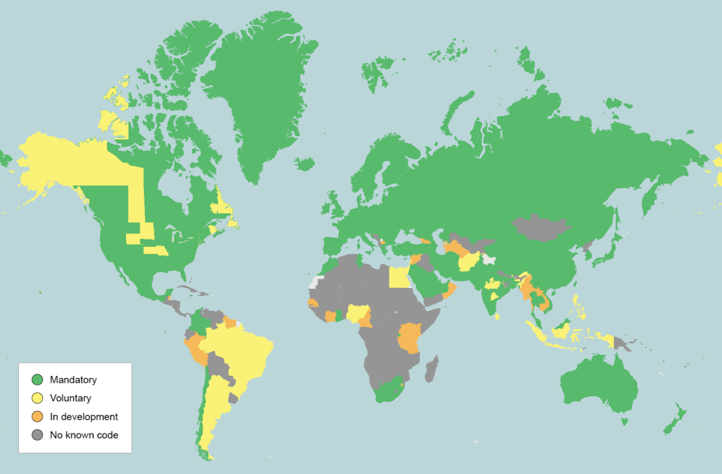
Unfortunately, only 80 countries have building codes and standards – which specify the minimum energy performance standards for residential and commercial buildings – in place. 

Global building energy codes 2021
Global coverage of energy codes for new buildings in 2021. (Source: IEA)


In many of our focal geographies, the greatest opportunities to impact large swaths of buildings is to focus on new construction by updating building codes. Examples of this work in our NDC Support Facility include a UNEP-UNESCAP project in Cambodia and a GGGI project in Burkina Faso. 

Passive cooling for a cooler future for all 

While an important part of the toolbox, we cannot simply rely on air conditioners alone to help us survive rising global temperatures. The growth in energy demand from the billions of additional cooling appliances will produce a significant amount of GHG emissions, which will lead to more warming and drive further demand for cooling. Additionally, those who cannot afford to buy and operate air conditioners will be left behind to suffer the extreme temperatures that are becoming so increasingly familiar. 

By scaling up the use of passive cooling solutions we can increase thermal comfort while reducing the demand for mechanical cooling, which in turn will reduce the sector’s GHG emissions and lower energy bills for consumers. It will also improve the health, well-being, and resilience of people that live and work in urban heat island areas, as well as improving local air quality through reduced emissions. 

Of course, this work alone won’t solve the cooling challenge. It must coincide with efforts to drastically improve our cooling technologies and to expand access to at-risk communities, but more on these topics later… 

From blind spot to hotspot: Accelerating the transition to sustainable cooling for all

Energy-efficient, climate-friendly, and affordable cooling solutions can provide huge opportunities to reduce energy consumption and GHG emissions while ensuring that everyone has access to the cooling they need.

It’s been said many times before that cooling is the blind spot of the global energy and climate agendas. And while the topic is increasingly recognized as an important part of the debate – both in terms of mitigation and adaptation – it’s not yet the ‘hotspot’ of international commitment and action that it needs to be.

Last week, at the Global Clean Energy Action Forum in Pittsburgh, Pennsylvania, stakeholders from around the world came together for a side event to discuss just that; how can we accelerate the global transition to sustainable cooling from blind spot to hotspot?

Why does sustainable cooling matter?

Due to rising global temperatures, urbanization, and incomes, the adoption rate of air conditioning is expected to rise sharply over the coming decades. In fact, an additional 3 billion new air conditioning units are expected to be installed around the world by 2050.

Cooling already accounts for more than 7% of global GHG emissions and if we don’t act, the sector’s emissions are likely to double by mid-century.

In order to minimize these emissions while also making sure that everyone has access to the cooling they need, we must get cooling right. And by ‘right’, we mean solutions that are as energy efficient as possible, use climate-friendly refrigerants, and are flexible enough to avoid overloading the power grid.

Global action against global warming

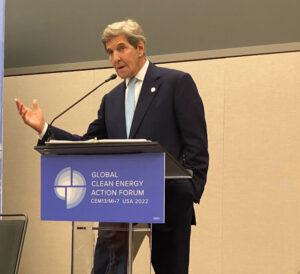
At the cooling side event in Pittsburgh, I had the privilege of welcoming to the stage U.S. Special Presidential Envoy for Climate, John Kerry, who played an instrumental role in the negotiation of the Kigali Amendment to the Montreal Protocol (which aims to phase down the use of super-polluting hydrofluorocarbon refrigerants). His presence at the event was particularly timely given the United States’ recent ratification of the international agreement.

During his remarks, Secretary Kerry emphasized the importance of cooling, noting that this event was as vital a meeting as was taking place at the forum due to the “staggering” growth in energy demand for cooling and the significant impact that cooling has on people’s lives.

I couldn’t agree more.

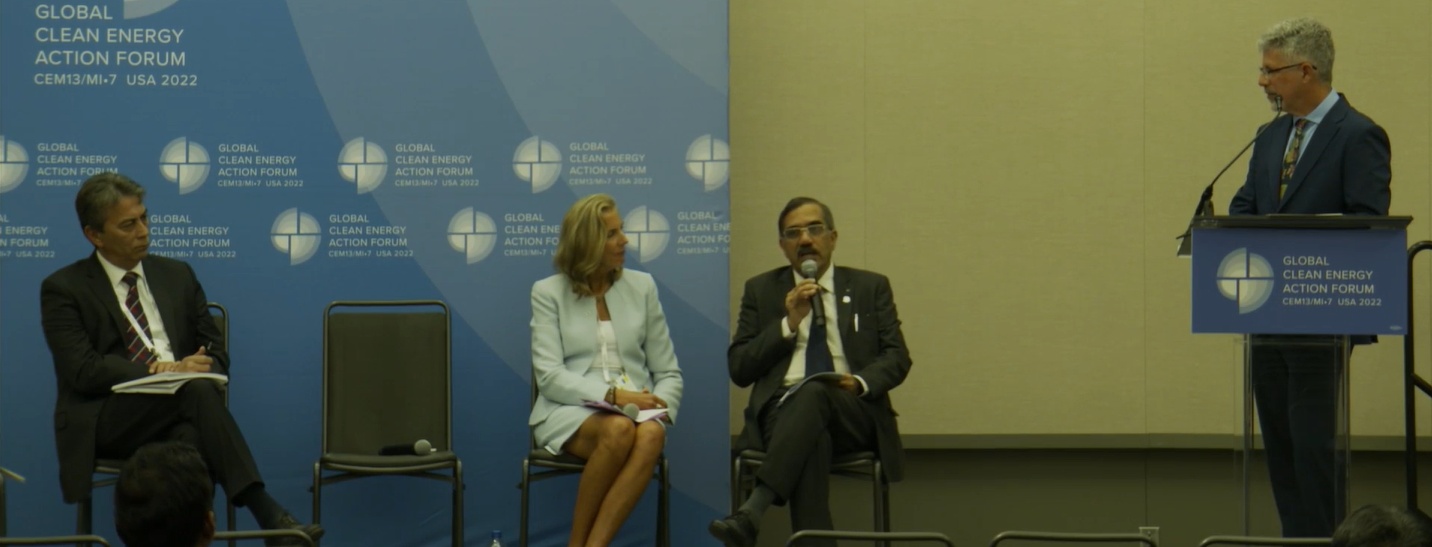
In addition to Secretary Kerry, the stage played host to a number of key cooling stakeholders from across government, finance, industry, and non-profit sectors.

Panelists stressed the need for holistic solutions and to bring passive cooling techniques (e.g., cool roofs, urban greening, efficient buildings, etc.) and mechanical technologies (e.g., air conditioners, two-way heat pumps, ceiling fans, etc.) together to ensure global cooling needs are met sustainably.

And to have a meaningful impact, we also need coordinated efforts across all workstreams – be it policy, finance, innovation, or education/outreach.

U.S. Special Presidential Convoy for Climate, John Kerry highlighted the global importance of sustainable cooling at the GCEAF side event.

Policy

As highlighted by both Jennie Dodson of Mission Innovation and Kathy Baughman McLeod from Arsht-Rock, to work effectively, we must have a clear idea of what action is needed and where. Through developing national plans (like National Cooling Action Plans) and conducting mapping activities, we can get a better understanding of the needs of different communities, which in turn can help stakeholders identify the most appropriate solutions for said communities.

Minimum Energy Performance Standards (MEPS) were also frequently discussed, with Secretary Kerry even mentioning the possibility of developing a global energy standard. In doing so, not only could this remove the least efficient appliances from the global market, but it could also stimulate and incentivize innovation among manufacturers. While some 80 countries already have MEPS in place for ACs, and an additional 20 countries have standards in development, Kerry wants this number to reach 200.

Policies around building codes and urban planning could simultaneously tackle energy use and boost resilience by ensuring that our cities and buildings are naturally cool (without the need for continuous air conditioning).

Finance

All participants touched on the issue of financing and the need to ensure that investments go further and faster to support innovation.

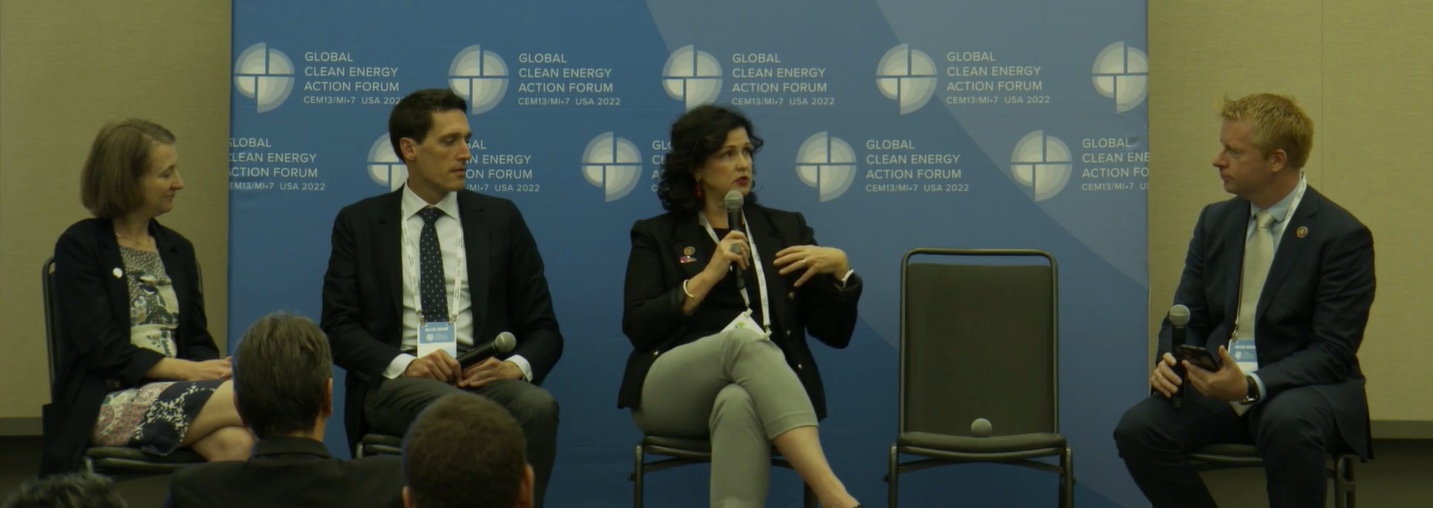
Jennie Dobson, Dane McQueen, and Kathy Baughman McLeod discuss raising ambition on sustainable cooling with SEforALL’s Brian Dean.


According to Selçuk Tanatar of the International Finance Corporation (IFC), not only is finance necessary to support innovation and the development of new technologies, but it’s also needed to help scale up the adoption of existing solutions, of which there are many!

This is particularly true for the food cold chain, where cooling costs are extremely high and farmers often lack the capital to purchase the equipment needed to preserve their crops long enough to reach the market.

Another way of tackling these high costs is to improve the efficiency of cold chain equipment to optimize resource use. According to Mr. Abhay Bakre, this is a major focus of India’s Bureau of Energy Efficiency (where he is the Director General).

Innovation

At the center of this debate was innovation, and as perfectly put by Johnson Controls’ Katy McGinty, “the climate crisis demands that we all reinvent ourselves.”

Selçuk Tanatar, Katy McGinty, and Mr. Abhay Bakre discuss catalyzing technology deployment and innovation with CCC’s Noah Horowitz.


Generally speaking, we have the technologies necessary to tackle the cooling challenge, but scaling up these solutions and making sure that they are accessible and affordable to those who need them is what’s lacking. This is where finance and policy come into play, supporting both the supply side and the demand side.

A perfect example of this is the 5X AC, a game-changing technology that would have five times lower climate impact (5X) than conventional ACs sold today. Under the global cooling prize, several manufacturers developed prototypes that proved such performance was possible.  During this session, I pointed out the need to make sure innovative products like these become a reality and start flying off the shelves as soon as possible. This will take a combination of education, bulk procurement, and financing.

UNEP’s Mark Radka thinks we have a good challenge ahead but there’s cause for optimism.

Education

Another piece of the puzzle is education.

It’s vital that we continue to ensure that stakeholders around the world truly understand what is at stake when it comes to the cooling challenge.

I wholeheartedly agree with UNEP’s Mark Radka when he said that he can think of no topic more important to the climate agenda than cooling.

As we move toward this year’s COP27 in Egypt and then on to COP28 next year in the United Arab Emirates, we all agreed that we need to come to the table with some compelling targets for stakeholders to commit to year-on-year. In fact, Dane McQueen, Director of Programs and Partnerships at COP28, and his team will be working closely with the Cool Coalition and other groups to look into what these targets could be, for example, sustainable procurement, investment in innovation, or performance standards. There will be a formal launch of the COP28 presidency in January 2023, so keep an eye out for updates!

Plus, what better setting for the next two COPs than the Middle East to draw attention to the cooling challenge, where temperatures can reach as high as 50° C (122° F)?

A big thank you to the government of India, UNEP, the Cool Coalition, and Mission Innovation (among others) for organizing the Global Clean Energy Action Forum side event, which can be watched in full here.

Cooling down the U.S. with maximum heat pump adoption

Around the world, we’re seeing an increase in the frequency and intensity of heat waves, even in parts of the world that we mostly associate with cool or cold temperatures. Our warming planet is requiring us to adapt to these new realities, while needing us to take steps to more aggressively curb GHG emissions and limit global warming.

Access to cooling is becoming more necessary each summer, so while air conditioners are an appropriate tool for many parts of the world, there are regions that could instead get double benefits by installing two-way heat pump technologies.

Heat pumps can efficiently cool a space, in addition to being able to efficiently heat that space during the winter season. This dual-function system enables people to have access to cooling while simultaneously making it possible to replace highly-polluting fossil fuel-based heating furnaces.  

So, what exactly is a heat pump? 

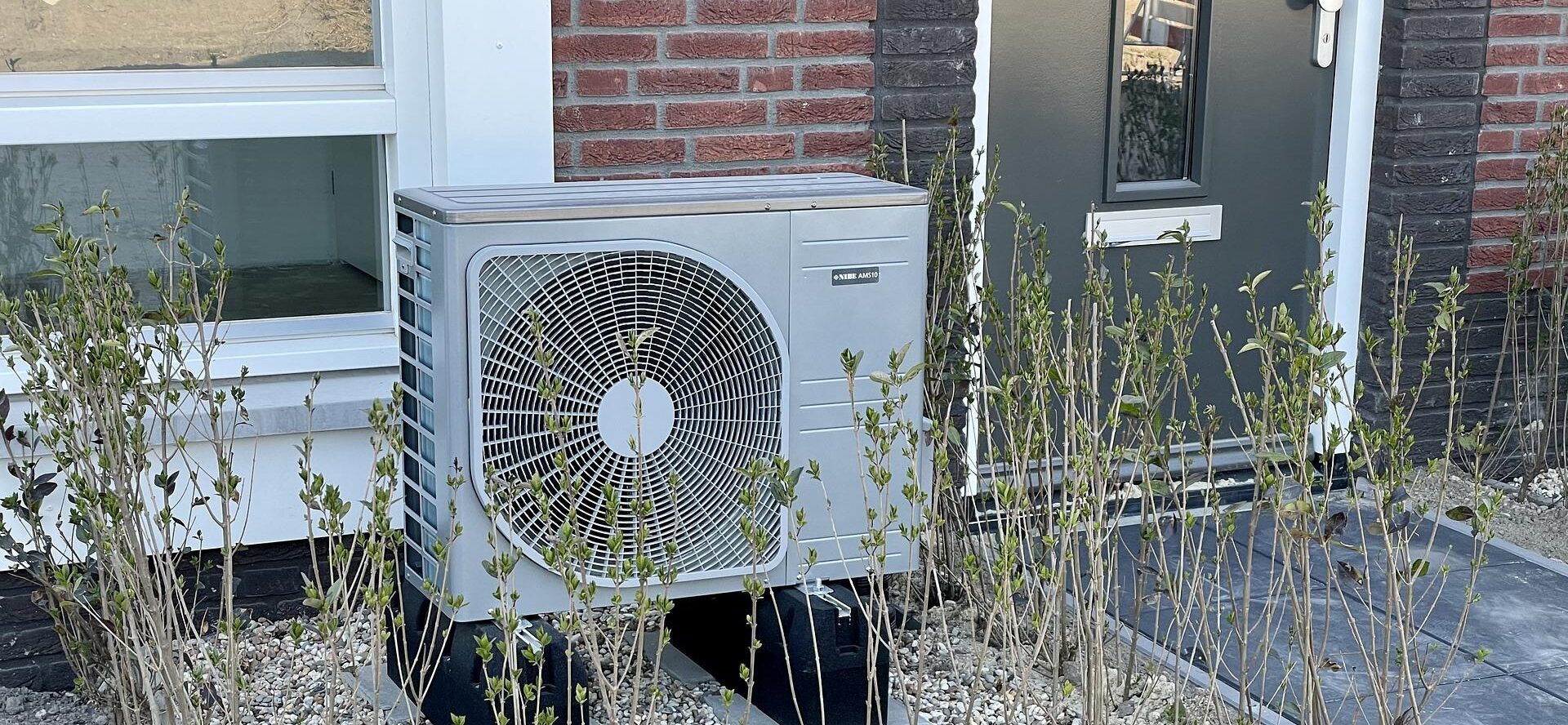
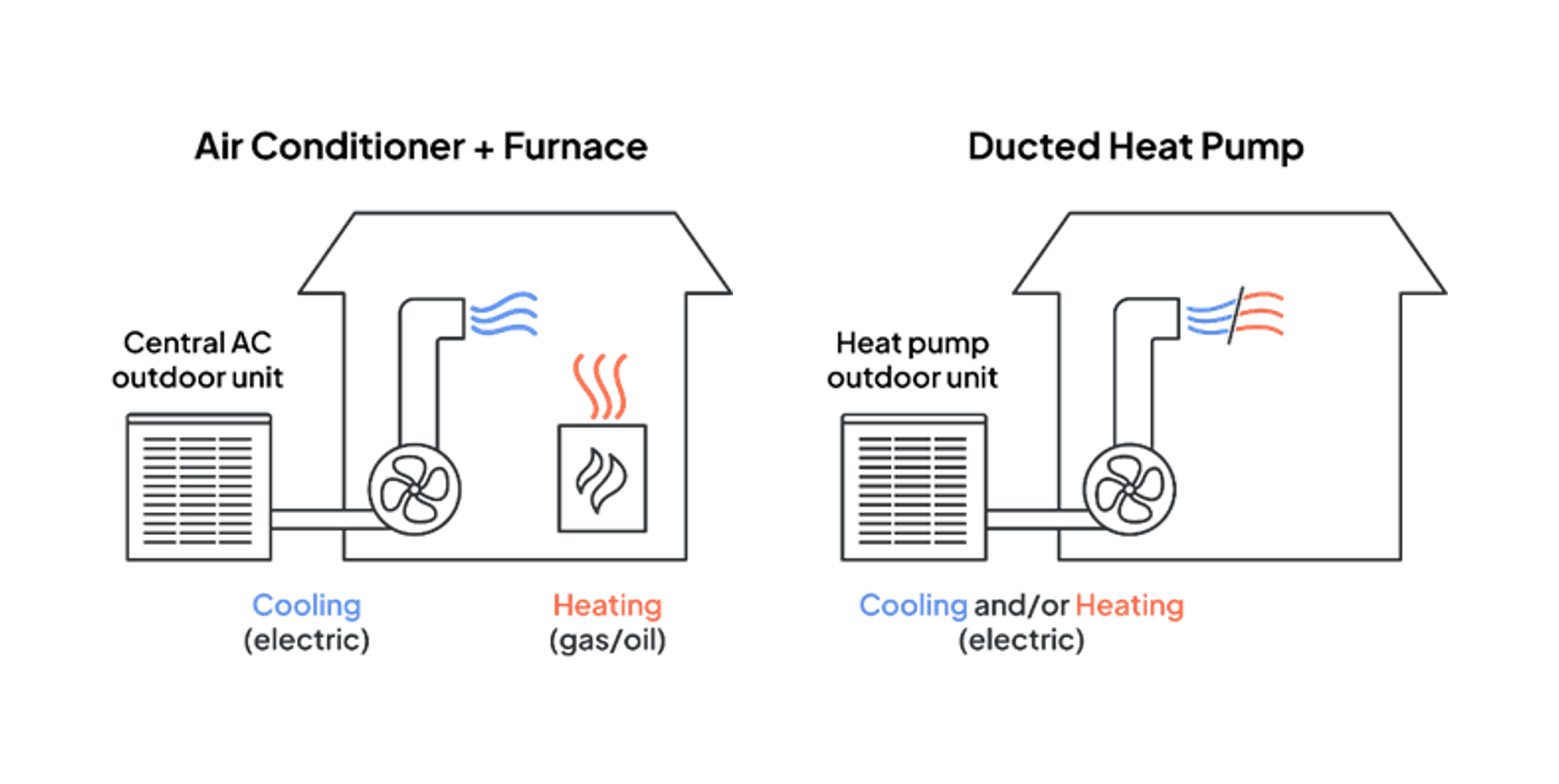
Heat pumps are a leading alternative clean cooling and heating technology that are classified by their source (e.g., ground, water, or air) and their transfer medium (e.g., water/hydronic, air, or refrigerants). Common residential heat pump systems are either ducted heat pumps (similar to the furnaces and air conditioners shown below) or ductless — also known as mini splits or multi splits. Ducted and ductless heat pumps are similar to the split air conditioner design with an outdoor condensing unit and an indoor air handler unit or units with an evaporator coil. In addition to having high efficiency, the heat pump also has a reversing valve, which allows it to switch the operation of the system from removing heat from the home to the outdoors (essentially cooling the space), to capturing heat from the outdoors and transferring it indoors, thereby heating the space. For larger homes or commercial applications, variable-refrigerant-flow (VRF) heat pumps provide increased control by also varying the flow or volume of refrigerant to different zones to better match specific heating or cooling loads in those spaces.

what is a heat pump?

Residential Heating and Cooling System Configurations 

A new report from CCC’s partners Energy Solutions, VEIC, and Arup looks at the mitigation potential of widespread heat pump deployment in the U.S. and opportunities for accelerating adoption.

While the U.S. has one of the highest rates of installed air conditioners, use in the northern U.S. has been much rarer compared to the U.S. average; though that is beginning to change. In 2020, the Energy Information Administration (EIA) projections for 2050 pointed to air conditioning as the end use with the largest projected increases in energy consumption. As temperatures continue to rise, increasing warmth will alter both heating and cooling activity, leaving greenhouse gas emissions from the built environment almost unchanged, hindering the fight against climate change.

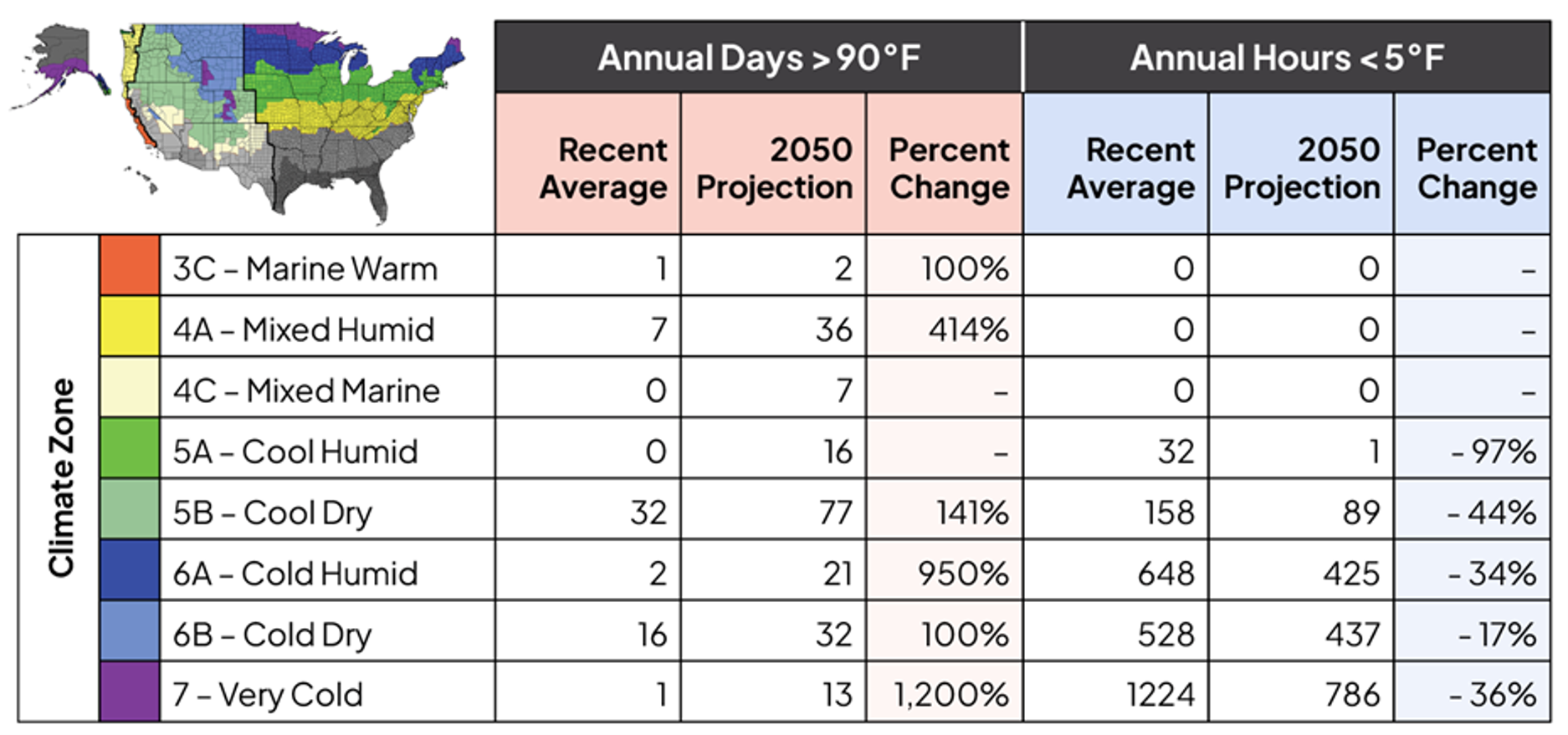
The expected temperature increase varies across climate zones, with certain Climate Zones (e.g., 5B) seeing more than a month’s worth of additional extreme heat (days over 90°F), while extreme cold (hours below 5°F) drops in all of the Cool, Cold and Very Cold Zones.

climate zones

To keep the global temperature rise to below 1.5°C, we need proactive, rapid adoption of high-performing technologies to address both cooling and heating, particularly in these regions that will be adding new cooling to existing heating infrastructure.

Fortunately, in both the residential and commercial sectors, current technology of dual purpose, variable-speed and variable-refrigerant-flow heat pumps offer an opportunity to significantly reduce GHG emissions by 36-47%, based on national average 2019 grid emissions factors.

Across four major building types for which heat pumps’ emissions mitigation potential was analyzed (medium offices, strip malls, mid-rise apartments, and single-family homes), single-speed heat pumps could deliver GHG emissions reductions of 87% compared to typical HVAC systems (with an 80% renewable electric grid, which is a scenario we could exceed by 2050). Variable-speed and VRF heat pumps perform even better, yielding a 92% reduction. In both of these scenarios, weatherization and enhanced building efficiency have the potential to reduce emissions by an additional 2%.

Decarbonizing the grid is critically important to reaching these deep levels of emissions reductions, but even with 2019 grid emissions factors, high-efficiency heat pumps deliver reductions against the business-as-usual scenario.

Heat pump adoption in residential new construction has grown in recent years due to the realized benefits of a single versus two-system installation (i.e., one heat pump instead of both an air conditioner and furnace or boiler), building code requirements that encourage all-electric buildings, and the non-energy benefits (such as air quality) afforded by these systems. New construction can also take advantage of economies of scale by ordering large numbers of units at once. In existing buildings, aging systems are typically replaced upon failure and first-time purchases are made in emergency situations, so opportunities for heat pump conversions are limited by several factors: distributor stocking, contractor proficiency, upfront costs, and existing site design. All of these can present barriers to heat pump adoption.

Aiding consumers and businesses toward efficient, dual-purpose system selection is critical to greenhouse gas mitigation. And investments in technology improvements in areas of cold climate performance, lower global warming potential refrigerants, and grid integration capabilities will bring additional benefits. Our new report identifies 30 actionable policy and programmatic solutions to address today’s technology, affordability and industry barriers, and identifies ways to maximize the adoption of variable-speed and variable-refrigerant-flow heat pump systems.

Explore the report, Cooling Down the US with Maximum Heat Pump Adoption to learn more.   

Trucking ahead in a heated world: Unpacking the impact of transport refrigeration units

Electric, climate-friendly TRUs can ensure the delivery of life-saving goods, support frontline communities along trucking routes, and limit emissions.

The heatwave in Europe is the latest in a year of devastating extreme weather around the globe, from wildfires to power shortages and record-breaking temperatures. Extreme heat events make us all acutely aware of the importance of access to cooling, like the mighty refrigerator.

While refrigerators do keep our food fresh, they also go beyond the home to store and transport vaccines, medicine, and donated blood or tissue – they are truly lifesaving. Transport Refrigeration Units (TRU) are refrigeration systems that provide temperature control for transportable perishable products. You might see them at a grocery store where workers are delivering fresh vegetables, or at a hospital where staff unload medicine, or even circling the neighborhood with ice cream on a hot day.

When trucks and railcars congregate along corridors or idle near logistics hubs, they pose significant health risks to people who work and live nearby, often low-income communities.

Yet the refrigerants used in today’s refrigerators are super-pollutants that typically leak into the atmosphere and can be thousands of times more potent than carbon dioxide. Further, the majority of the mobile refrigeration units used today run on dirty diesel fuel. Currently, TRUs are mounted on various containers, including trucks, semi-truck trailers, shipping containers, and railcars.

These dirty diesel engines power the truck and its cooling system, emitting particulate pollution that causes asthma and increases cancer risk. Although some of these units are relatively small, when trucks and railcars congregate along corridors or idle near logistics hubs, they pose significant health risks to people who work and live nearby, often low-income communities. More than 56,000 TRUs are operating every day in California, so the Air Resources Board modeled the health impacts for communities in the Central Valley where cold storage is an essential part of the agricultural industry. Based on local conditions, a TRU running 8,000 hours per week causes a potential cancer risk for nearly 1,800 people per million living close to cold-storage warehouses, and 600 people per million living near grocery stores.

And rising global temperatures are driving increased demand for cooling, which contributes to the climate crisis and ultimately creates the need for even more cooling. This has created a vicious feedback loop where the technology that keeps things cool, makes our world warmer. While these mobile cooling systems in their conventional form are highly polluting, more environmentally-friendly alternatives exist. However, with any new technological disruption, an incumbent and entrenched industry is slow to shift to zero-emission options.

Rising global temperatures are driving increased demand for cooling, which contributes to the climate crisis and ultimately creates the need for even more cooling.

In response to both the climate threat and impact on frontline communities, the California Air Resources Board voted earlier this year to phase out all diesel-powered TRUs in favor of zero-emission models by 2030, and to require the use of refrigerants that have lower global warming potential (GWP, a cooling industry metric). The policy includes a mix of incentives and regulations, driven by community input to clean up trucking. This approach is a good start and could be further strengthened and replicated in other places in the U.S. and internationally. Climate philanthropy has been effectively investing in community coalitions, policy frameworks, and industry leadership to advance clean trucks and curb emissions from the cooling sector, including the cold chain.

It’s important that we don’t sideline these specialized trucks as more of the world looks to bring TRUs into supply chains and onto local roads. Each year, a lack of adequate refrigeration leads to global food loss of 13%, which contributes to rising greenhouse gas emissions and rates of hunger. To mitigate these global and overlapping impacts, we need to better understand the scope of the problem and solutions that will drive accessible alternatives, aligned with our climate and equity goals. This is one example of where we can collaborate across sectors – drawing on expertise and a strong partner network in our Road Transportation and Clean Cooling programs. Through this crossover lens, we can highlight how electric, climate-friendly TRUs can ensure the delivery of life-saving goods, support frontline communities along trucking routes, and limit emissions.

Transforming the cooling sector: Saving 100gt CO2e and ensuring sustainable cooling for all

Access to cooling is vital for human health, prosperity, and productivity. It keeps us safe and comfortable when temperatures are high (which is happening more frequently), it keeps our food fresh from farm to fork, and it keeps our medicines viable from the lab to your local health center. Despite its importance, more than 1.2 billion people around the world are at high-risk from a combination of extreme heat and a lack of access to the cooling they need[1]https://www.seforall.org/system/files/2022-07/seforall-chilling-prospects-2022.pdf.

As temperatures continue to rise and as populations and wealth continues to grow, cooling demand is expected to boom. In fact, by 2050 an additional three billion new air conditioners (ACs) are expected to have been installed around the world[2]https://www.iea.org/futureofcooling/, along with billions of new refrigerators[3]https://www.green-cooling-initiative.org/country-data#!appliances-in-use/commercial-refrigeration/absolute.

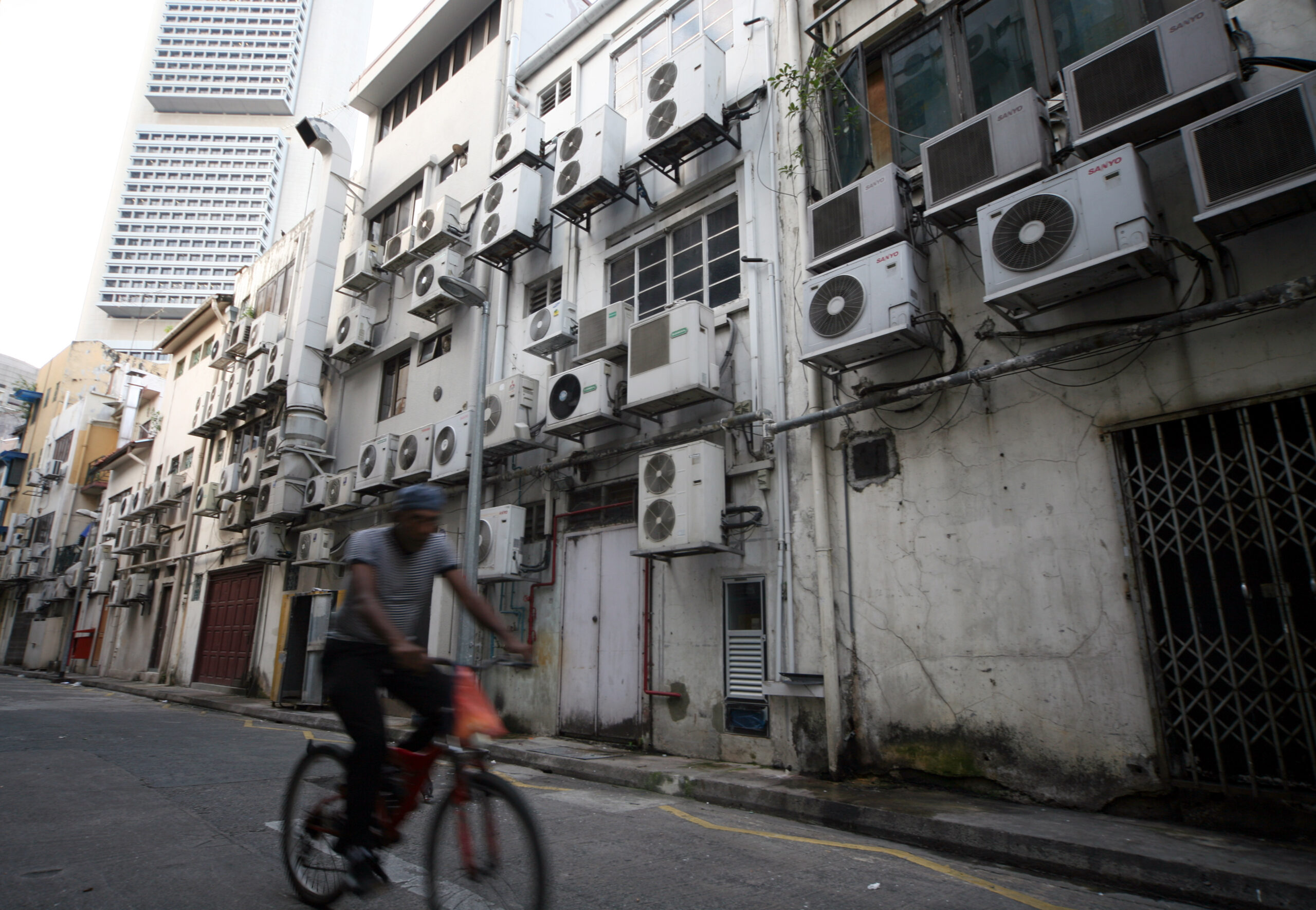
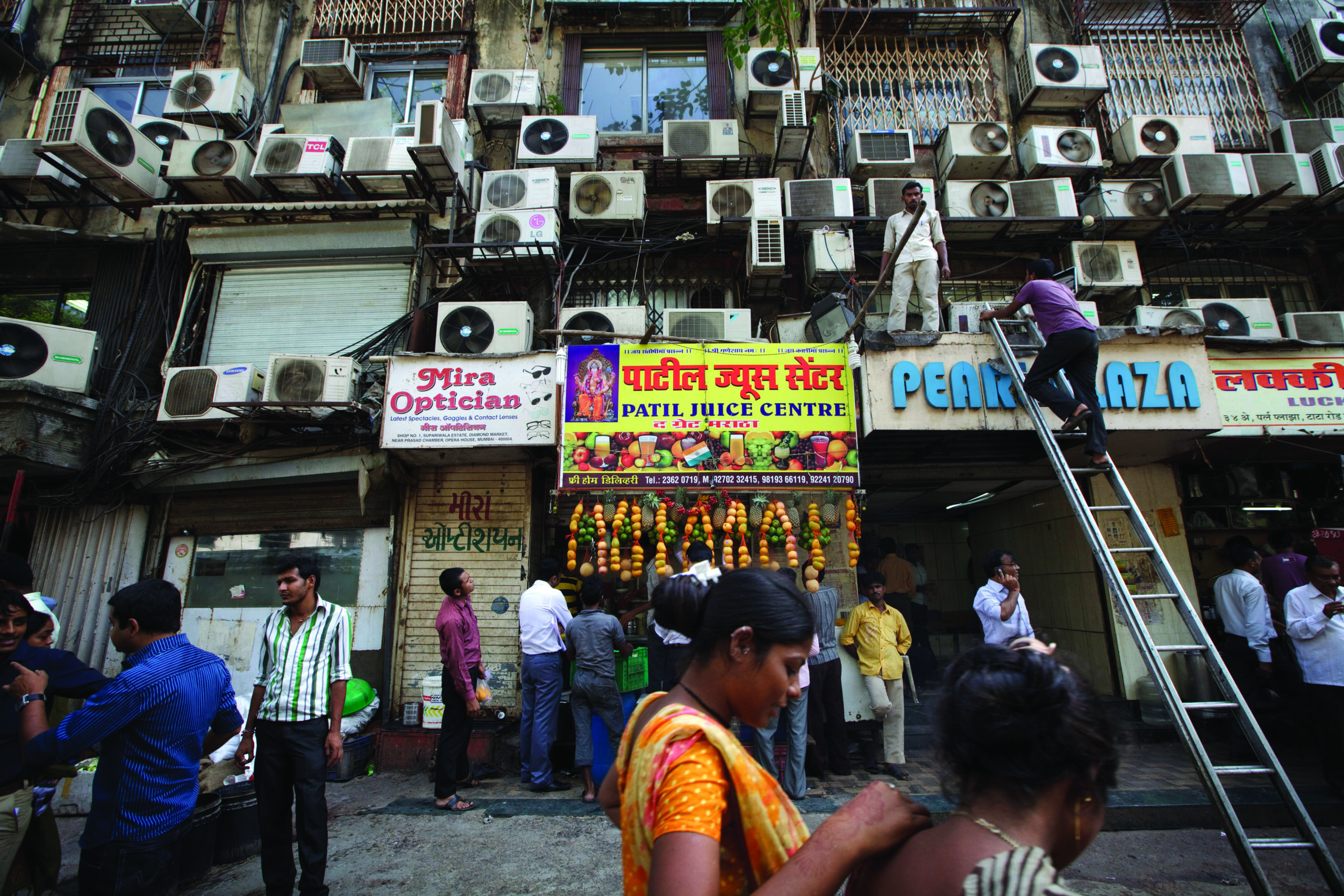
Cooling in Mumbai
Congested air conditioning units on a building in central Mumbai, India (Photo by Kuni Takahashi)


With this growth in demand will come a rise in greenhouse gas (GHG) emissions. Cooling equipment is currently responsible for more than 7% of all global GHG emissions and without switching to clean and sustainable cooling technologies and a full renewable energy transition, the cooling sector’s GHG emissions could double by 2050.

However, if we get cooling right, we could avoid 100 gigatons of carbon dioxide equivalent (CO2e) by 2050, which is around two years’ worth of today’s global GHG emissions.

But what does it mean to ‘get cooling right’?

Getting cooling right

With a new name and a refreshed strategy, we’re moving beyond our historical focus on the energy efficiency of cooling technologies and have adopted a more holistic approach to supporting the transition to efficient, climate-friendly cooling for all. Having already secured gigaton-scale GHG savings through our initial work as the Kigali Cooling Efficiency Program (K-CEP), we’ve laid the groundwork to have an even greater impact over the coming years.

With the support of our funding partners, including a recently announced $25 million four-year grant from the IKEA Foundation, we will be working with our implementing partners to:

Utilize better building design and urban planning practices so we can cool our buildings and cities passively, reducing the need for energy-intensive mechanical cooling technologies like ACs.

Improve cooling technologies and how we use them so we can reduce GHG emissions from appliances’ energy use and refrigerant leaks. This will help create a number of benefits for society including a faster and cheaper transition to a resilient and clean electricity grid; fewer power outages and lower utility bills for people and businesses; and improved air quality and public health.

Increase access to efficient, climate-friendly cooling for at-risk populations so we can enhance human comfort and well-being. In turn this will ensure greater resilience to extreme heat and reduce heat-related illness and deaths.

Cool roofs - sustainable cooling
Adding a reflective coating to a building’s roof can reduce indoor temperatures and the need for mechanical cooling


To swiftly transform the cooling sector, we will focus on:

  • Bringing innovative technologies (e.g., air conditioners that have five times lower climate impact than conventional units) to commercialization.
  • Eliminating inefficient cooling technologies from the market and preventing developing countries from becoming the dumping ground for appliances that can’t legally be sold elsewhere.
  • Accelerating the global phasedown of hydrofluorocarbon (HFC) refrigerants.
  • Scaling up and deploying innovative demand side management solutions that help utilities manage , and heat pumps that can provide both efficient heating and cooling without the direct use of fossil fuels.
  • Maximizing the use of passive cooling techniques in the built environment.
  • Leveraging finance to increase access to efficient, climate-friendly cooling solutions.
  • Expanding access to efficient, climate-friendly cold chain infrastructure.

Across these workstreams, we will also be focusing on the issue of equity to ensure that no one is left behind on the journey to a future where clean cooling solutions are accessible to all. Other cross-cutting themes include finance mobilization, strategic communications, and industry engagement, which will focus both on the companies that manufacturer cooling appliances and the companies that purchase them on a large scale.

We are also shifting our geographical scope to maximize our potential impact. While we’re still a global program that seeks to help scale best practices everywhere, the majority of our work will focus on the four regions that are projected to contribute 75% of cooling-related emissions between now and 2050: China, India, Southeast Asia (particularly Indonesia), and the United States.

We are now well into what’s been dubbed the decade of action and almost every day we’re reminded of the urgent need to accelerate our efforts to reduce global GHG emissions and to protect populations from the impacts of the climate crisis. By accelerating the global adoption of energy-efficient and climate-friendly cooling solutions, we can achieve both.

The time to act on cooling is now.

The time to act is now: Efficient cooling for global development

Last week, I was fortunate enough to visit Denmark, the land of Hans Christian Andersen, delicious smørrebrød, and Lego (among many other wonderful things, of course). And from June 7-9, the Nordic country was also home to the International Energy Agency’s (IEA) 7th Annual Global Conference on Energy Efficiency, which took place in the coastal town of Sønderborg.

With the aim of transitioning to a ‘ZEROcarbon’ community by 2029, I can see why so many of the conference’s attendees suggested that Sønderborg should be called the world capital of energy efficiency!

During my Nordic adventure, I also took a daytrip to the HQ of cooling manufacturer, IEA conference sponsor, and Race to Zero participant Danfoss, in nearby Nordborg.

The conference brought together decision-makers from governments around the world, industry, and civil society to focus on how international ambition on energy efficiency can be translated into faster and stronger real-world progress. This year’s meeting came at a crucial time as the world battles the climate crisis, an energy crisis, and growing food shortages – the last two being catalyzed by Russia’s invasion of Ukraine.

During the conference’s opening plenary, IEA’s Executive Director, Fatih Birol highlighted the importance of efficient cooling for the clean energy transition. He pointed out that in many developing countries and regions, such as India, Southeast Asia, and Africa, cooling is the largest driver of electricity consumption. Dr. Birol continued to emphasize the need for cooling efficiency standards to avoid increasing cooling-related energy consumption and an expansion of power plants to meet said demand.

So, the stage was set for increased energy efficiency all around and the need to get cooling right.

Efficient cooling for global development

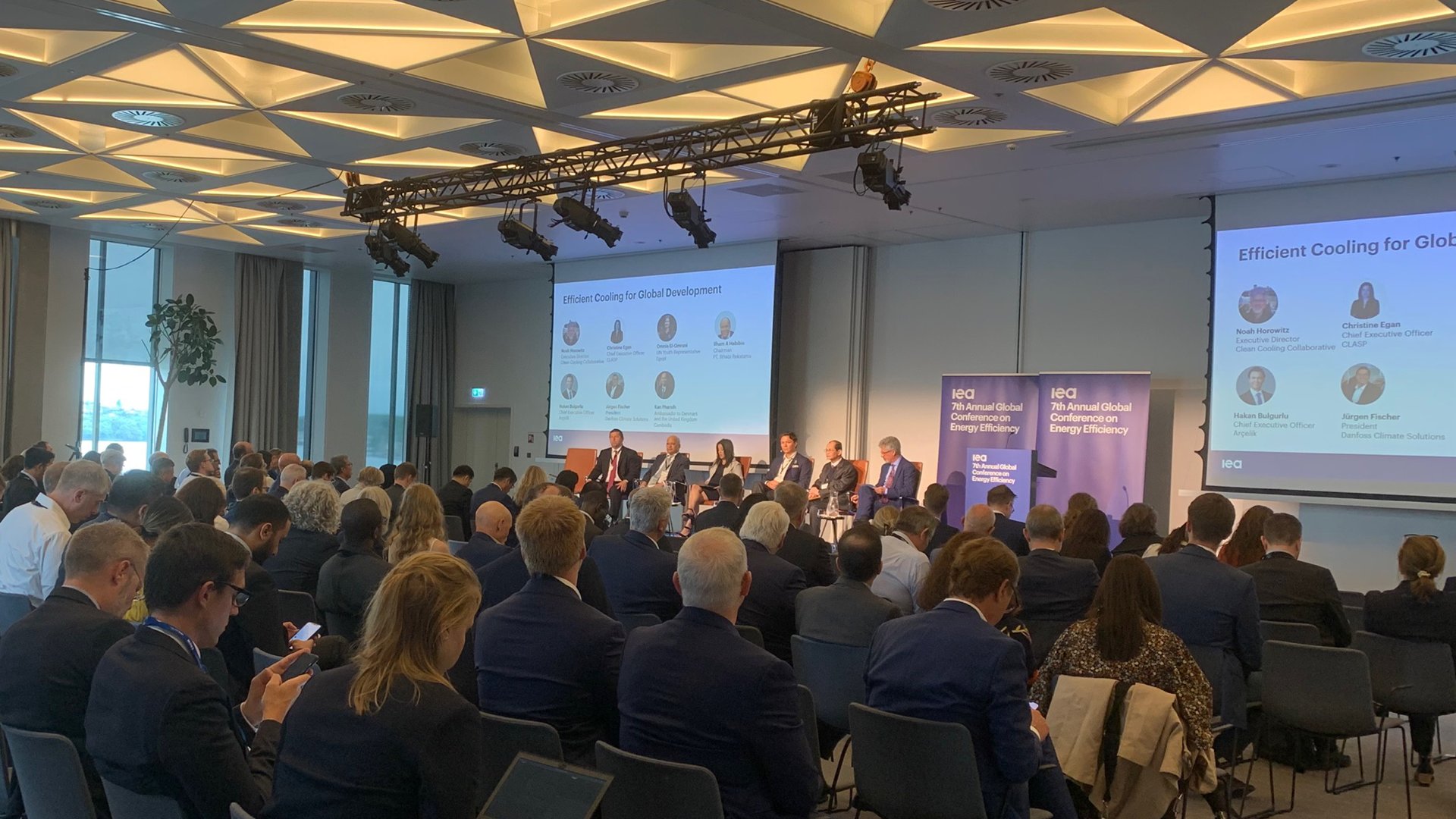
Later that day, I had the privilege of moderating a fantastic session on efficient cooling for global development, which included introductory remarks by Denmark’s Minister of Foreign Affairs, Jeppe Kofod, and a diverse panel of manufacturers, government representatives, and NGOs. Special thanks to the Cool Coalition for helping plan the session and coming up with such a great set of panelists.

If you weren’t able to tune in to the live session, I would encourage you to take a few minutes to watch the recording. Otherwise, check out my high-level summary below…

To kick off the session and stimulate discussion, I presented the panelists and audience with three thought-provoking statistics:

  • An estimated 3 billion additional air conditioners will be installed around the world by 2050;
  • More than 1 billion people currently lack access to the cooling they need; and
  • If we get cooling right, we could avoid 100 gigatons of CO2e over the coming decades. That’s equivalent to two years of global greenhouse gas emissions!

It’s clear that the cooling path the world is currently on is not sustainable, but what is the global community doing to change it?

Cooling as a human right

As so succinctly put by panelist, doctor, and Egypt’s UN Youth Representative, Omina El-Omrani, “the impacts of climate change are no longer just an environmental issue, they are a human health issue.” According to Dr. El-Omrani, she regularly sees patients in the emergency room who are suffering from heat-related illnesses, highlighting the urgent need for wider access to effective cooling solutions.

Hakan Bulgurlu, CEO of appliance manufacturer Arçelik, echoed Dr. El-Omrani’s sentiment, saying it’s simply not possible to tell those who could die from heat not to purchase or use an air conditioner. Instead, we must focus on making the appliances super-efficient to keep climate commitments alive.

Sustainable cold chain

Closely linked to many aspects of global development, including vaccine supply, food security, and climate action, the global expansion of sustainable cold chains is crucial.

Several comments were made around the need for increased cold chain access to reduce agriculture/food loss and ensure the universal rollout of the Covid-19 vaccine and other medications that require refrigeration. We must ensure that the newly installed infrastructure and equipment is both energy efficient and uses climate-friendly refrigerants.

Raising the efficiency floor

Minimum energy performance standards (MEPS) and regulations were a common thread throughout the panel discussion, unsurprising for an energy efficiency conference.

From standards and labels, to business strategy, there was general consensus by all of the panelists that we need to raise global ambition. In doing so, we can ensure that the cooling equipment being installed is as efficient as possible and prevent developing countries from becoming the dumping ground for the least efficient products on the market.

According to CLASP CEO, Christine Egan, “we have a small window of opportunity to solve the cooling problem. The time is now to actually maximize ambition.”

Transitioning to more energy-efficient cooling equipment is a win-win-win, with consumers saving money on their utility bills, greater protection from the increasingly common and extended extreme heat events, and reduced stress on the power grid which in turn reduces the frequency of power outages.

And this summary covers just a snapshot of our hour-long session. Jürgen Fischer, President of Danfoss Climate Solutions and Ilham A. Habibie, Chairman of PT. Ilthabi Rekatama discussed the need for better training and upskilling opportunities in the cooling industry, particularly for women and local communities. While Ambassador Pharidh Kan from the Embassy of Cambodia to the UK, highlighted the importance of weaving cooling into national policies like Nationally Determined Contributions (NDCs), building codes, and Cambodia’s soon-to-be-launched National Cooling Action Plan (NCAP).

According to Dr. Fatih Birol, who provided closing remarks, cooling is the blind spot in energy policy making. He noted that while many countries are improving standards and making progress, there is still an unacceptable gap in cooling access. To close this gap while supporting the clean energy transition, we must scale up efficient cooling solutions. Instead of planning new power plants to meet growing cooling demand, he urged energy ministries to prioritize the setting of ambitious energy standards.

As brilliantly put by many of the panelists, the time for action is now. We can’t just talk about arbitrary goals and savings that are predicted by 2050. The cooling equipment that will be installed over the coming years will likely be in the field for at least a decade. We simply can’t afford to lock in 10 plus years of wasted energy and harmful emissions for each inefficient air conditioner and refrigerator bought today.

Mr. Bulgurlu hit the nail on the head when he pointed out that 2030 is no longer some abstract deadline, it is in fact only 395 (now 394) weeks away. “People need to stop talking just about a long-term goal, the time to act is now,” he concluded.

I couldn’t agree more.

Building energy efficiency into the HFC phasedown for an accelerated transition to clean cooling 

A look back at the Clean Cooling Collaborative’s ‘Strengthening for Efficiency’ portfolio

By combining efforts to phase down the use of super-polluting HFC refrigerants with improvements in the energy efficiency of cooling equipment, we can accelerate the global transition to clean cooling for all as well as its associated climate benefits.

The climate benefits of energy-efficient, climate-friendly cooling

In October 2016, at the 28th Meeting of the Parties to the Montreal Protocol in Kigali, Rwanda, more than 170 countries agreed to amend the protocol to ensure the ongoing protection of our planet’s climate and ozone layer through action on hydrofluorocarbons (HFCs) in addition to other fluorinated gases (F-gases).

The agreement, dubbed the Kigali Amendment, aims to phase down the production and use of super-polluting HFCs, which are thousands of times more harmful to our climate than CO2 and commonly used as refrigerants in cooling appliances like air conditioners and refrigerators. The goal of the amendment is to reduce HFC consumption by 80% by 2047, and according to the Climate and Clean Air Coalition (CCAC), if fully implemented, it is estimated to avoid up to 0.5°C in global warming by 2100.

Research conducted by Lawrence Berkeley National Laboratory (LBNL) indicates that the mitigation benefits of the Kigali Amendment could be doubled by simultaneously enhancing the energy efficiency of cooling equipment. Based on this, transitioning to energy-efficient, climate-friendly cooling could avoid up to 1°C of global warming by the end of the century.

Integrating energy efficiency into the HFC phasedown

In the spring of 2017, the Kigali Cooling Efficiency Program (now Clean Cooling Collaborative) was created to support this global transition. Through our ‘Strengthening for Efficiency’ portfolio, we were able to work with Montreal Protocol institutions and associated agencies, parties, and companies to integrate energy efficiency improvements into the HFC phasedown.

Our approach was to work with ‘early-adopter’ governments and companies that would then catalyze similar work elsewhere. Our work included:

  • Supporting ambitious governments to develop national cooling action plans (NCAPs);
  • Providing capacity building and training by “twinning” National Ozone Unit (NOU) officers with their nation’s energy efficiency policymakers; and
  • Supporting manufacturers’ industrial conversion efforts.

National Cooling Action Plans

NCAPs provide a long-term perspective for policies that can simultaneously address national cooling demands and the need to combat climate change through energy efficiency improvements and the HFC phasedown. The plans cover multiple sectors, including space cooling in buildings, industrial production of cooling equipment, cold-chain logistics, and servicing of existing equipment.

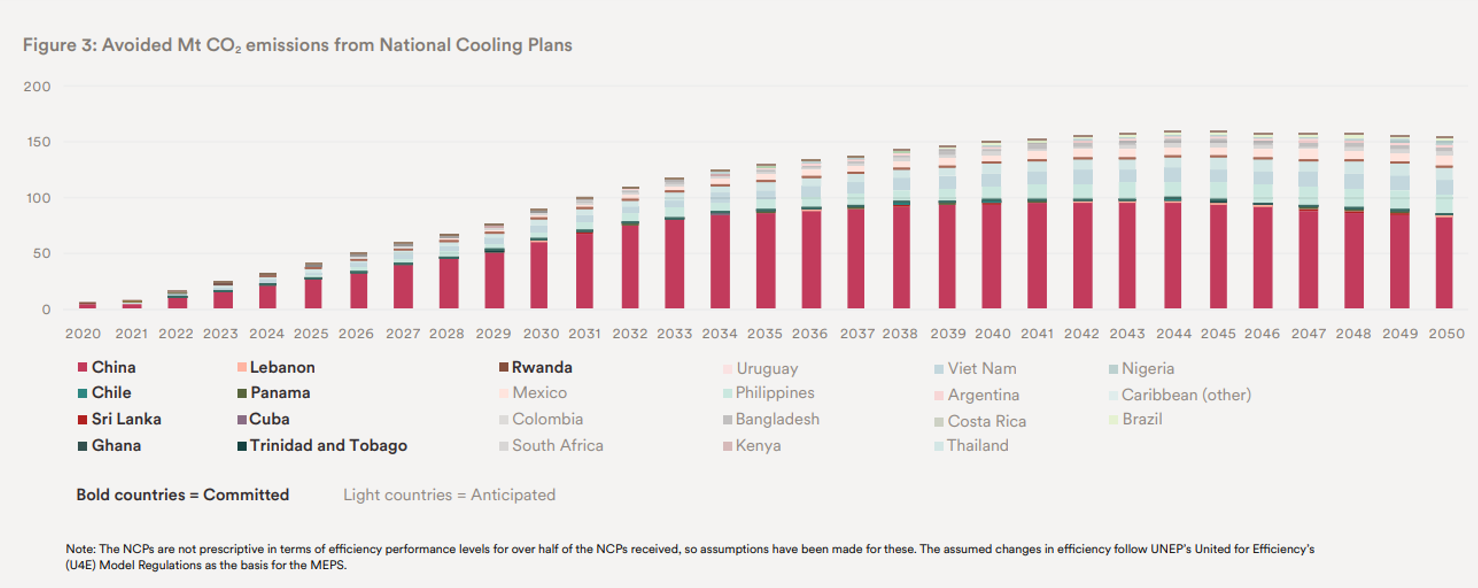
As K-CEP, we supported the development of 27 NCAPs, nine of which have been published in Chile, China, Cuba, Ghana, Lebanon, Panama, Rwanda, Sri Lanka, and Trinidad and Tobago. As detailed in our Phase I Impact Report, once realized, these nine published NCAPs will cumulatively avoid over 2.1 gigatons of carbon dioxide equivalent (Gt CO2e) and will save consumers over $510 billion by 2050, both as a result of reduced electricity consumption.

As the world’s largest cooling technology consumer, producer, and exporter, the impact of China’s Green and High-Efficiency Cooling Action Plan could be particularly profound.

National Cooling Action Plans offer significant emissions reductions potential.


To facilitate national action on cooling and support the development of NCAPs around the world, the Cool Coalition set up an NCAP working group. The group drew upon the experience and knowledge of organizations and countries that have been working on NCAPs to chart a holistic but modular methodology for the development of NCAPs. Guidance covers cooling comprehensively and include various sectors and end-uses as well as both met and unmet cooling needs.

In addition to supporting the development of NCAPs, we’ve also worked with countries to link their NCAPs to their Nationally Determined Contributions (NDCs) and other long-term climate strategies in order to enhance national ambition through the UNFCCC process.

Capacity building and training

A lack of communication and coordination between different government bodies often meant that efforts to improve cooling were siloed, with energy agencies working on energy efficiency policies and climate agencies working on the F-gas and HFC phasedown under the Montreal Protocol and its Kigali Amendment. If our work was to have meaningful impact, we needed to enhance collaboration among these key stakeholders.

We hosted regional ‘twinning’ workshops to help build the capacity of ozone and energy ministry officials in developing countries to combine energy efficiency improvements with progress in the F-gas transition. The workshops trained national ozone officers and energy policymakers in market transformation and policy development. Workshops also covered solutions such as efficiency standards and labels and strategies to integrate efficiency expertise in training programs for the cooling service sector.

In partnership with UNEP’s United for Efficiency (U4E) initiative and UNEP OzonAction, we provided all 147 developing country governments with capacity building and training on energy-efficient and climate-friendly cooling. This program helped countries enhance the expertise of their government staff, as well as those working in the maintenance and servicing sectors, which is a key part of transitioning to an efficient, climate-friendly cooling sector. You can watch more videos about the twinning workshops here.

Industrial conversion

Often involving co-funding from the Multilateral Fund for the Implementation of the Montreal Protocol (MLF), we supported research, development, and testing to integrate improved energy efficiency into planned retooling of manufacturing plants to phase out F-gases.

In addition to enhancing the efficiency of new generations of appliances and catalyzing market transformation, we worked to eliminate refrigerants with high global warming potential (GWP) in supermarket cooling systems.

In partnership with UNDP, we offered targeted support to 10 businesses, including Walton in Bangladesh and Mabe in Mexico.

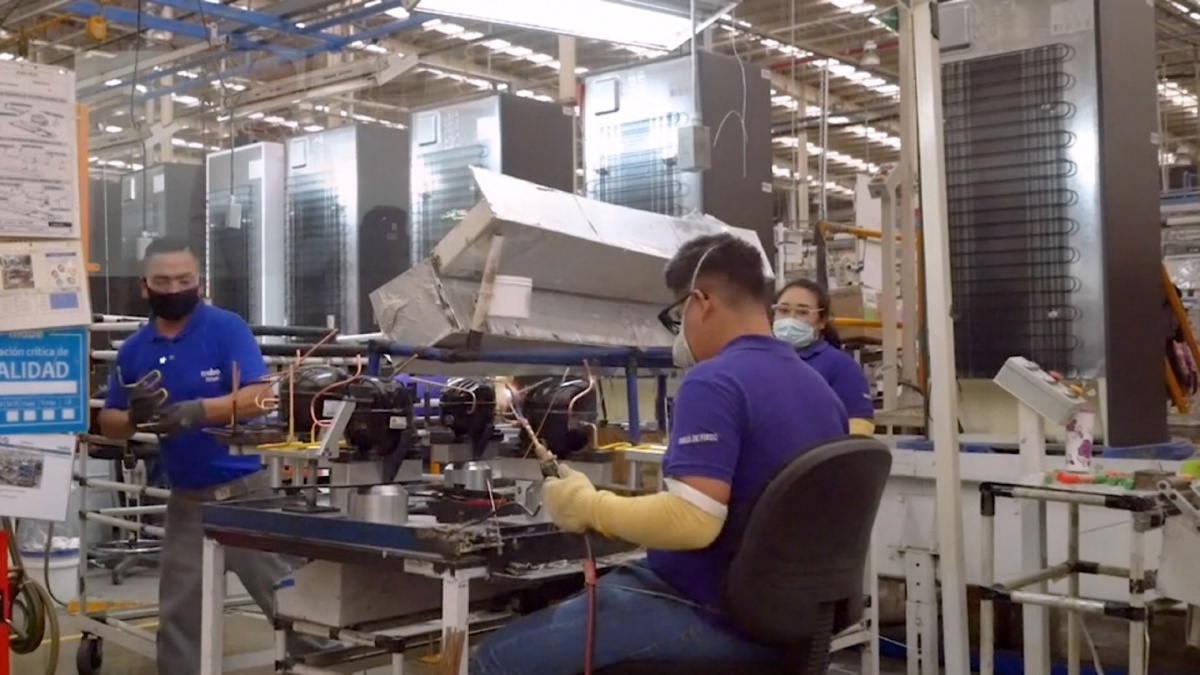
Mabe, the leading home appliance brand in Latin America, committed to the refrigerant transition and improving component efficiency through its corporate sustainability strategy. Since announcing the conversion, Mabe has transitioned from the climate-polluting HFC R134a, with a GWP of 1,430, to the hydrocarbon R600a (isobutane), which has a drastically lower GWP of three. Mabe has also successfully upgraded the efficiency of its refrigerator compressors by 15-25%.

Mabe's industrial conversion saw a transition to R600a (GWP 3) and a 15-25$ improvement in the efficiency of its refrigerator compressors.
Mabe’s industrial conversion saw a transition to R600a (GWP 3) and a 15-25% improvement in the efficiency of its refrigerator compressors. (Source: Mabe)


In Bangladesh, working alongside the government, UNDP and CCC supported Walton Hi-Tech Industries Ltd, the country’s largest refrigerator manufacturer, to make energy-efficient, low-GWP refrigerators through equipment upgrades. With MLF support, HFC R134a was replaced by environment-friendly and energy-efficient R600a, while our support led to energy efficiency improvements of 10-43%, depending on the model.

What’s next?

Over the past five years, these projects have set up the pathway for other organizations like the Cool Coalition, U4E, and Sustainable Energy for All (SEforALL) to keep things progressing.

Moving forward, we need for more governments, both national and local, to develop and implement cooling action plans. We need to see greater coordination between different government departments to speed up and maximize impact. We also need for cooling manufacturers to commit to produce products that are super-efficient and use ultra-low GWP refrigerants and for cooling consumers to commit to buying them.

If we’re to see the full benefits of a transition to efficient, climate-friendly cooling over the coming decades, then we’ll need collaborative action from all stakeholders.


This blog is part of a series looking back at the impact of our Phase I projects. Other blogs include reviews of our policies and standards portfolio, our finance portfolio, and our access portfolio.

How to cool one billion people: Expanding access to clean, affordable cooling solutions

A look back at the Clean Cooling Collaborative’s ‘Access’ portfolio

As global average temperatures rise and deadly heat waves become more common, we’re seeing the health, well-being, and livelihoods of billions of people around the world being threatened. No longer are the days when cooling was a luxury, it is now a necessity for many and a development priority around the world. 

Living in a warming world 

Last year was one of the 10 hottest years on record and saw numerous heat-related records broken across the globe. More than 400 weather stations around the world noted record-breaking temperatures; the record for highest temperature was either broken or tied in 10 countries1; and Furnace Creek in Death Valley (US) experienced temperatures of 54.4°C (130°F) – the “highest reliably recorded temperature on Earth.” 

And 2021’s heat wasn’t an anomaly. According to the World Meteorological Organization, the last seven years have been the seven hottest on record and the average global temperature has been over 1°C above pre-industrial levels every year since 2015. 

Graph showing the global annual temperature deviation
Global average temperatures are on the rise, highlighting the increasing importance of access to clean cooling (Source: UNEP)


But this dramatic rise in global temperatures isn’t just about broken records and colored lines on a chart, it’s about people’s lives and livelihoods. It’s about an elderly person’s ability to live safely in their home, a farmer’s ability to make an income, or a child’s ability to receive a life-saving vaccine.

As we near the end of World Immunization Week and the start of Miami-Dade County’s first annual Heat Season, we wanted to shine a light on a problem that isn’t talked about enough – the importance of universal access to efficient, climate-friendly, and affordable cooling. 

Why is cooling access so important? 

Rising global average temperatures and increasingly frequent deadly heat waves are threatening the health, well-being, and livelihoods of billions of people around the world. It’s clear that cooling should not be considered a luxury for the few but instead a development priority that’s accessible to all. 

When it comes to cooling, the poorest people and communities are underserved, creating adverse impacts on the provision of quality health care, nutritious food, and education, as well as major productivity losses. This in turn undermines the efforts and opportunities for many countries to fully realize the Sustainable Development Goals (SDGs).

Cooling and the SDGs (SDG1, SDG2, SDG3, SDG4, SDG7, SDG8, SDG9, SDG11, SDG12, SDG13, SDG14, SDG15, SDG17)
Access to clean cooling solutions impact several of the Sustainable Development Goals.


Not only is it paramount that we secure universal access to cooling, but the adopted solutions must also be energy-efficient and climate-friendly to avoid locking in high-carbon cooling technologies as populations in emerging economies pursue the benefits of cooling. 

Expanding global access to clean cooling 

At the inception of the Kigali Cooling Efficiency Program (now Clean Cooling Collaborative) in 2017, we clearly understood the importance of expanding access to cooling. The links between cooling and several of the SDGs were undeniable. What wasn’t yet known, was roughly how many people around the world lacked access to cooling. Before embarking on work that would have a meaningful impact, we needed to define and quantify the cooling access gap, identifying the communities that face the biggest risks and what their cooling needs were. 

It was also our belief that decision-makers were consistently underestimating the role that cooling had to play in meeting the SDGs. We knew this needed to change. 

To overcome these issues, we developed our ‘Access’ portfolio to: 

  • Promote cooling as a development priority through high-level global advocacy; 
  • Enhance the understanding and awareness of cooling access through research and knowledge products; and 
  • Make a case for cooling access through demonstration projects around the world.  

Global advocacy and research for cooling access 

To help promote cooling as a development priority, we partnered with the Cooling for All initiative at Sustainable Energy for All (SEforALL) to spur action and political leadership in increasing access to cooling. 

In September 2017, a Global Panel on Access to Cooling, made up of leaders from business, philanthropy, policy, and academia, was convened to guide the production a comprehensive Chilling Prospects report series that addresses the challenges and opportunities of providing access to affordable, sustainable cooling for all. Launched at the UN High-Level Political Forum in July in 2018, the first report was a global wake-up call that defined and quantified the magnitude of the global cooling access challenge for the first time. Chilling Prospects 2018 showed that approximately 1.1 billion people across 52 of the most vulnerable countries face cooling access risks.  

In addition to tracking the cooling access gap and progress on an annual basis, the Cooling for All initiative develops evidence, partnerships, policy, and tools to make meaningful action possible.  

To date, our work to raise the global profile of cooling access has been successful, but we’ve found that there’s a significant gap in capacity at country level and that cooling equity is often neglected. To overcome these issues, it’s important for capacity-building and cooling equity perspectives to be included in projects from the outset. 

Awareness raising and proving the concept of clean cooling for all 

In partnership with organizations like Ashden, SEforALL, the Cool Coalition, and the Carbon Trust, we produced knowledge products and campaigns to enhance key stakeholders’ understanding and awareness of the cooling access challenge and its possible solutions. To make the case for clean cooling solutions and/or approaches, we also rolled out several demonstration projects around the world. 

The Ashden Awards 

The Ashden Awards accelerate climate innovation, helping stakeholders power up their impact in low-income nations, with a focus on advancing social justice while lowering emissions. We’ve supported three cooling-related award categories over the past three years: 

Cooling for People (2019) – Rewarding innovative and ambitious approaches in urban greening that help to keep cities cool and livable.  

Winner: Medellin Green Corridor 

Cool Cities (2020) – Uncovering initiatives that deliver efficient, climate-friendly cooling solutions for people who are most at risk from increasingly frequent and intense heat waves. 

Winner: Ahmedabad Heat Action Plan


Cooling in Informal Settlements (2021) – Celebrating champions who protect low-income communities from rising temperatures with affordable, non-mechanized cooling solutions. 

Winner: Mahila Housing Trust 

Fair Cooling Fund 

The Fair Cooling Fund was launched in partnership with Ashden to scale up the impact of fair cooling solutions, i.e., solutions that are affordable, accessible, climate-friendly, and developed with the communities at greatest risk. Over the last two years, the Fund has helped seven organizations co-develop new initiatives to widen access to cooling, and gave them grants to turn their plans into reality.

Million Cool Roofs Challenge 

The Million Cool Roofs Challenge was launched in 2019 to rapidly scale up the adoption of ‘cool roofs’ in developing countries where temperatures are high and access to cooling is low. The Challenge — created in partnership with Global Cool Cities Alliance, SEforALL, and Nesta Challenges — awarded grants of $125,000 to 10 teams across the world to test different approaches and models to scaling up cool roofs. To date, over 1.1 million square meters of new cool roofs have been installed by the teams.  

Million Cool Roofs Challenge teams
Over the course of the Million Cool Roofs Challenge, the 10 teams installed over 1.1 million square meters of cool roofs, providing access to clean cooling for thousands of people.


Hospital cooling audits and pilots  

We partnered with Health Care Without Harm to develop and implement energy and cooling audits and energy management systems in hospitals in China, the Philippines, and Argentina. Audits found several problems across participating hospitals, including unsuitable architectural design (e.g., shading); inefficient cooling equipment; inadequate building maintenance (e.g., damaged insulation); and limited awareness of energy conservation. Based on results, some of the hospitals have since developed action plans and are working to improve performance. 

In addition to these projects, we partnered with WWF to expand access to efficient, climate-friendly, and affordable cold chain solutions for marine fisheries in Tanzania, Kenya, and China. We also partnered with Direct Relief to identify and deploy sustainable cold chain solutions in humanitarian contexts across the world. 

While these demonstration projects have provided promising results, we’ve found that there needs to be a greater emphasis on scaling to ensure the sustainability and impact of the pilots. Finding local and/or institutional champions to drive progress is key. Global challenges with clear criteria and incentives, like the Million Cool Roofs Challenge, have proven to be a particularly effective approach. 

What next for Clean Cooling Collaborative? 

As we transition into the next phase of our program, increasing access to efficient, climate-friendly cooling remains a priority. 

We will continue to advocate for and raise awareness of the importance of cooling access, as well as filling in knowledge gaps through applied research. We will pivot in focus from demonstrating the need for cooling access, to supporting the delivery of solutions on the ground. 

Examples of interventions under this strategy include: 

  • Expanding access to sustainable agricultural cold chains 
  • Supporting policy development and urban planning to address cooling gaps 
  • Piloting and/or scaling up technologies to address the needs of vulnerable populations 
  • Improving the affordability of clean solutions through innovative financing mechanism/ programs.

We will also be increasing our focus on China, India, Southeast Asia, and the United States, with the aim of setting precedent for replication and scaling elsewhere. 

By increasing access to efficient, climate-friendly cooling for people, food, and medical supplies, we hope to transform the cooling sector and secure a future with clean cooling for all. 


This blog is part of a series looking back at the impact of our Phase I projects. Other blogs include a review of our policies and standards portfolio, our finance portfolio, and our efficiency portfolio.